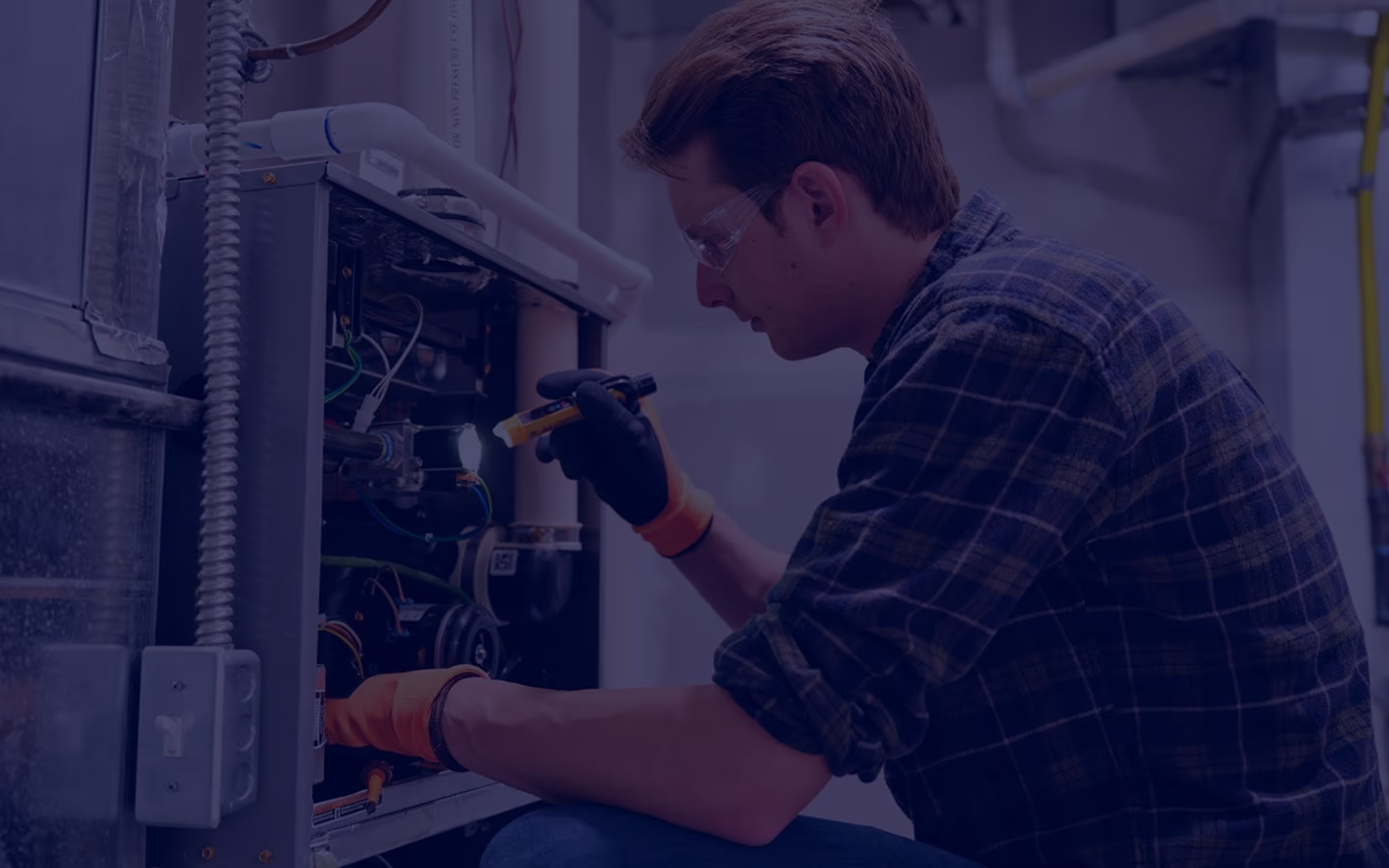
Heating Maintenance
Ensure a warm, efficient home this winter with expert heating maintenance in Sacramento Valley. Trust our licensed professionals to keep you safe and your energy costs low.

Stay Warm All Winter: Expert Heating Maintenance You Can Trust
As the winter months approach in the Sacramento Valley, ensuring your heating system is reliable is more than a comfort—it's a necessity. Don't let an old or poorly maintained heater leave you in the cold right when you need it most. Contact Thompson's Heating & Air today or inquire about our financing options to schedule your comprehensive system tune-up.
Residents throughout Woodland, Davis, West Sacramento, and the surrounding communities know that while summers are hot, the winters bring a distinct chill that demands a functioning furnace or heat pump. Neglecting this essential equipment often leads to unexpected breakdowns, safety hazards, and inflated utility costs.
- Annual servicing to extend the life of your heating system and prevent premature failure.
- Expert checks to identify safety risks like carbon monoxide leaks and electrical faults.
- Efficient performance tuning to keep your energy bills low despite rising fuel costs.
Licensed professionals ensure all local codes and warranty standards are met for every manufacturer, make, and model.
Why Regular Heating Maintenance Matters
Heating systems are complex mechanical structures containing moving parts, electrical connections, and combustion components that experience significant wear and tear over time. In areas like Winters, Dixon, and Esparto, where the heating season follows an intense cooling season, your HVAC system works year-round. This continuous operation creates stress points within the machinery that, if left unaddressed, eventually result in system failure.
Maintenance is not merely about dusting off the unit; it is about protecting the financial investment you have made in your home. A furnace that operates with dirty filters, unlubricated bearings, or misaligned burners must work significantly harder to produce the same amount of heat. This struggle against internal friction results in higher energy consumption. By addressing these inefficiencies proactively, homeowners can see a tangible reduction in monthly energy expenditures.
Safety remains the primary driver for professional inspection. Gas furnaces rely on the controlled combustion of fuel to generate heat. If the heat exchanger develops hairline cracks due to metal fatigue—a common issue in older units—it can allow carbon monoxide to escape into your living space. This odorless, colorless gas poses a severe health risk. Regular maintenance includes rigorous testing of the heat exchanger and venting systems to ensure that all combustion gases are safely expelled from the home.
Our Comprehensive Heating Service Checklist
A thorough tune-up goes far beyond a visual inspection. It involves a systematic analysis of the entire heating envelope to ensure peak performance. When technicians arrive at homes in Natomas, Capay, or Brooks, they perform a rigorous multi-point inspection designed to uncover hidden issues before they evolve into costly repairs.
This process generally includes the following critical steps:
Thermostat Calibration:
- Verification that the thermostat reads temperature accurately.
- Testing of start and stop cycles to prevent "short cycling," which damages the compressor and blower.
Electrical Component Inspection:
- Tightening of all electrical connections to prevent voltage fluctuations and fire hazards.
- Measurement of voltage and amperage on motors to ensure they are drawing the correct amount of power.
- Inspection of the capacitor for signs of bulging or weakness, which is a leading cause of motor failure.
Airflow and Filtration Analysis:
- Replacement or cleaning of standard air filters to ensure unrestricted airflow.
- Inspection of ductwork connections at the unit for air leaks that waste heat.
- Cleaning of the blower wheel to remove dust buildup that hampers rotation and balance.
Combustion and Safety Checks:
- Cleaning and adjustment of the burner assembly to ensure a proper flame.
- Inspection of the ignition system and pilot light for reliable starting.
- Testing of the flame sensor to ensure the gas valve closes if a flame is not detected.
- Comprehensive examination of the heat exchanger for cracks or corrosion.
- Testing for gas leaks near the furnace and supply lines.
Lubrication and Mechanical Adjustments:
- Lubrication of all moving parts, including motor bearings, to reduce friction and noise.
- Inspection of belts for cracks, wear, and proper tension.
From Inspection to Optimization: Our Process
The goal of a maintenance visit is to leave the system in better condition than it was found, ensuring reliability for the entire season. The process begins with a clear, communicative approach. A qualified technician arrives within the scheduled window, respecting your time and property. Before touching the equipment, they will review any specific concerns you have noticed, such as strange noises, uneven heating across different rooms, or recent spikes in energy bills.
- Initial Assessment: The technician performs a test run of the system to hear how it starts, runs, and shuts down. This auditory assessment often reveals immediate mechanical issues.
- Deep Cleaning and Tuning: Once the system is off and safe, the technician accesses the internal components. This phase involves the removal of debris from the cabinet, cleaning the burners, and clearing the condensate drain line (for high-efficiency condensing furnaces) to prevent water damage and backups.
- Testing and Verification: After cleaning and adjusting, the system is restarted. The technician measures the "temperature rise"—the difference in temperature between the air entering the furnace and the air leaving it. This metric confirms that the unit is producing heat within the manufacturer’s specified range.
- Reporting: The service concludes with a detailed report. You receive a clear explanation of what was done, the current health of your system, and any recommendations for proactive repairs. This is not a sales pitch; it is a technical assessment of your equipment’s longevity.
Thompson's Heating & Air prioritizes transparency during this phase, ensuring you understand exactly what condition your heating unit is in without confusing jargon.
Deciding Between Repair and Full System Replacement
One of the most difficult decisions homeowners face is determining when a heating system has reached the end of its viable life. While maintenance can extend the lifespan of a furnace or heat pump significantly, there comes a point where repair costs outweigh the benefits of keeping an aging unit running. This decision often arises during a maintenance visit if a significant component, such as a blower motor or heat exchanger, is found to be failing.
Consider the following factors when weighing your options:
- The Age of the Equipment: Most furnaces last between 15 and 20 years, while heat pumps typically last 10 to 15 years. If your system is approaching or has surpassed this range, a major repair is rarely a wise investment. New systems offer vastly superior efficiency ratings (AFUE) that can offset the monthly cost of a new installation.
- Frequency of Breakdown: If you have required repairs more than once in the last two years, the system is likely becoming unreliable. The cost of cumulative repairs often exceeds the monthly financing cost of a new, warrantied system.
- The 50% Rule: Industry professionals often suggest that if the cost of a necessary repair is 50% or more of the cost of a new system, replacement is the smarter financial choice.
- Comfort and Efficiency Levels: Older systems often struggle to heat homes evenly, leaving some rooms in Glendale, Rumsey, or Williams cold while others are overheated. If your utility bills are rising despite consistent usage, the system’s efficiency has likely degraded beyond what maintenance can restore.
- Safety Concerns: A cracked heat exchanger is an automatic condemnation of a furnace due to carbon monoxide risks. In this scenario, replacement is usually the only safe option.
Navigating Local Weather and Regulatory Requirements
The climate in the Sacramento Valley presents unique challenges for HVAC equipment. Locations like Arbuckle, Zamora, and Yolo experience dry, hot summers followed by wet, chilly winters. This drastic shift in humidity and temperature can accelerate corrosion on outdoor heat pump units and affect the venting of gas furnaces.
Winter moisture is a primary concern. High humidity and fog common to the region can lead to rust accumulation on the exterior of the unit and within the burner compartment if not properly sealed. Maintenance protocols must account for this by ensuring that all seals are tight and that flue pipes are free of obstruction to prevent moisture from condensing inside the system, which causes "acidic condensate" that eats away at metal components.
Furthermore, compliance with local building codes is essential. In towns like Knights Landing, Cache Creek, and Madison, regulations regarding venting, gas line pressure, and electrical safety are strictly enforced to protect residents. When a maintenance check reveals the need for a major repair or component replacement, it is vital that the work adheres to these local statutes.
- Permitting and Safety Codes: Certain repairs or system alterations may require permits. Professional technicians handle the logistical burden of ensuring all work is compliant with city and county codes, protecting you from liability and ensuring your home insurance remains valid.
- Utility Rebates and Incentives: Local utility providers often offer rebates for upgrading to high-efficiency systems or for performing verified maintenance tune-ups. Professional service records are typically required to claim these financial incentives.
- Seasonal Preparation: The transition period in late autumn is the critical window for service. Once the first freeze hits areas like Clarksburg or Dunnigan, demand for emergency service spikes. Scheduled maintenance ensures you are not caught in the backlog during a cold snap.
What Sets Us Apart: Customer Satisfaction and Expertise
Selecting a service provider for heating maintenance requires trust. You are inviting technicians into your private space to work on equipment that is vital for your safety and comfort. The distinction between an average service and a superior one lies in the technical training of the staff and the guarantees behind the work.
True expertise is demonstrated through diagnostic accuracy. A skilled technician does not guess; they use calibrated instruments to measure gas pressure, airflow velocity, and electrical continuity. This data-driven approach ensures that the root cause of any inefficiency is identified and resolved.
- Respect for Your Home: Technicians utilize shoe covers and drop cloths to ensure that the workspace remains clean. The goal is to leave the utility area cleaner than it was found.
- Upfront Communication: No work is performed without a clear explanation of the necessity and the associated cost. There are no hidden fees or surprise charges at the conclusion of the service.
- Inventory and Availability: Service trucks are stocked with common parts to minimize the need for return visits. Whether you are in Guinda, Monument Hills, or Plainfield, the objective is to restore full functionality in a single trip whenever possible.
- Ongoing Training: Heating technology evolves rapidly. Technicians undergo regular training on the latest high-efficiency heat pumps, smart thermostats, and modulating gas valves to ensure they can service even the most modern systems.
Schedule Your Heater Service Now
By choosing professional maintenance, you are choosing peace of mind. You are ensuring that when the temperature drops in Tancred, Cottonwood, or Grays Bend, your home remains a sanctuary of warmth and safety.
Protect your home and family this winter by scheduling your heating maintenance before the rush. Ensure your system is safe, efficient, and ready for the season ahead. Secure your appointment with Thompson's Heating & Air today to guarantee a warm, worry-free winter.
.avif)
Schedule Your Heating Service Today
Do not wait for your [system type] to fail completely. Call Thompson's Heating & Air today at (530) 661-2599 to schedule your [service name] in [city] or anywhere in Yolo County. Our experienced technicians are ready to restore your comfort with fast, reliable service you can trust.



.avif)
.avif)
.png)
