
The Sound of Silence: Decoding Your AC's Strange Noises

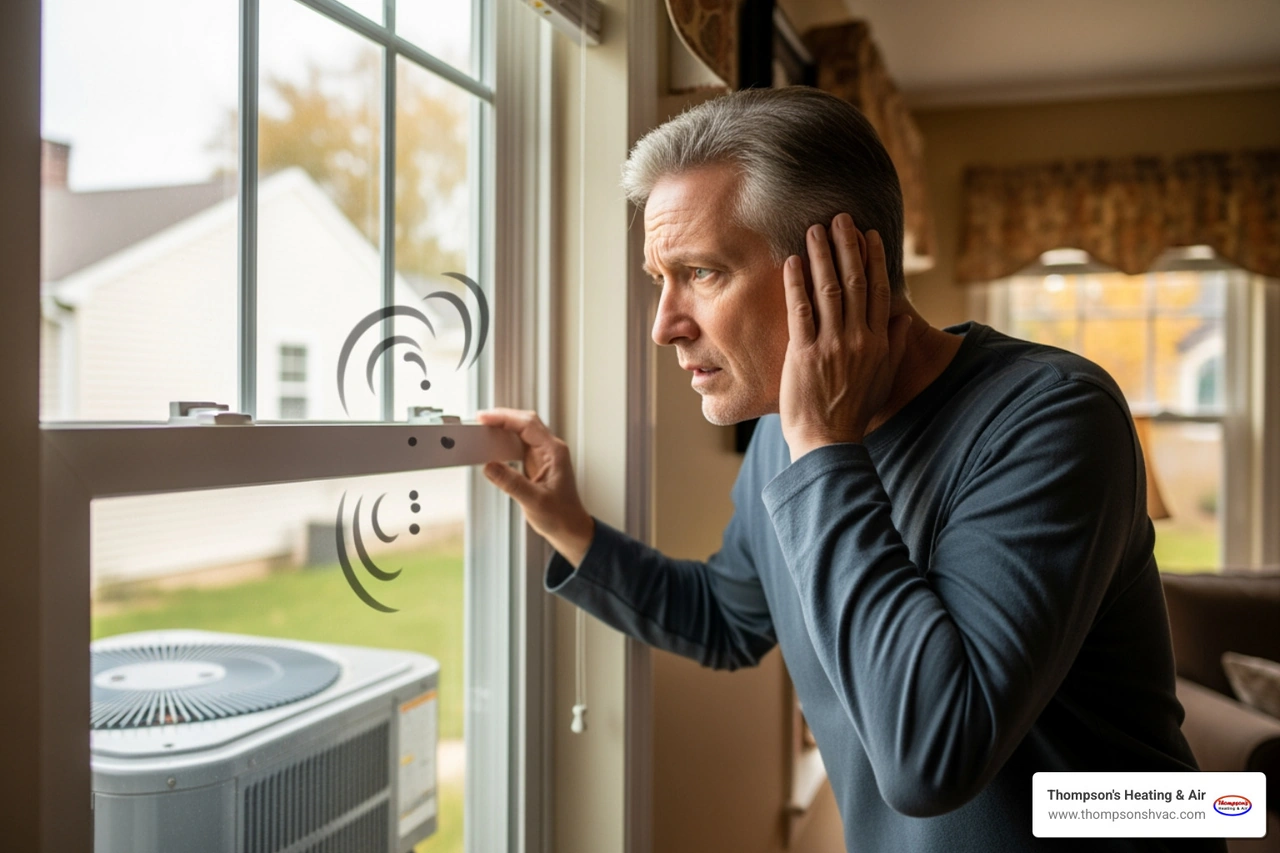
When Your AC Starts Making Strange Noises, Here's What It Means
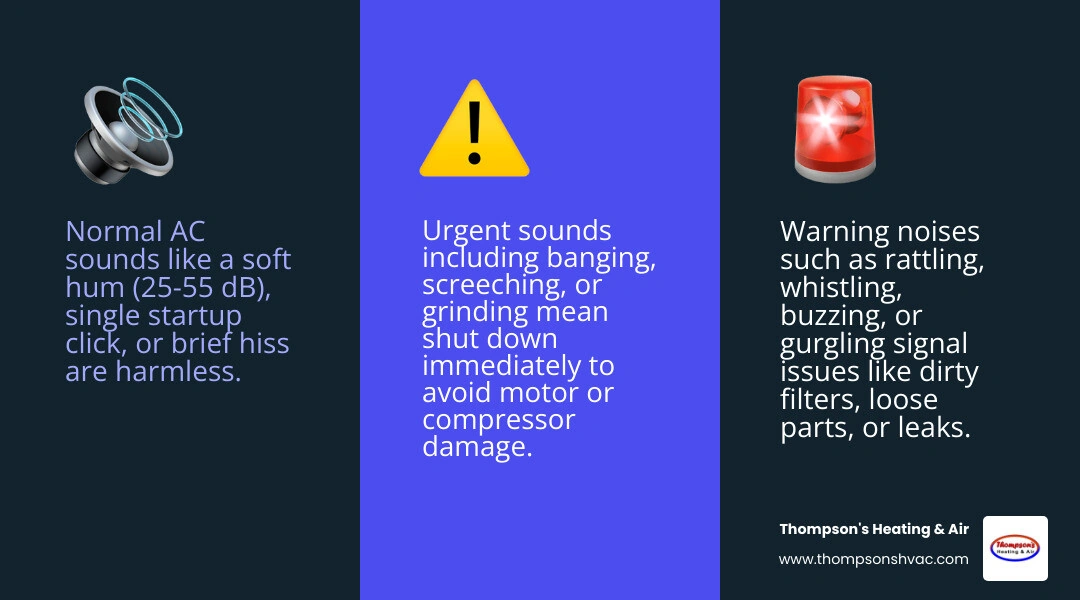
If your AC is making strange noises, your system is almost certainly trying to tell you something. Some sounds are harmless — a soft hum, a single click at startup, or a brief hiss when the system shuts off. Others are early warnings of a problem that's getting worse. And a few mean you should turn the unit off right now.
Here's a quick-reference guide to the most common AC noises and what they typically mean:
• Soft hum — Likely Cause: Normal motor operation — Urgency: Normal
• Single click at startup/shutdown — Likely Cause: Contactor or thermostat relay — Urgency: Normal
• Rattling — Likely Cause: Loose panel, debris, or screw — Urgency: Low
• Whistling — Likely Cause: Dirty filter or blocked vent — Urgency: Low-Moderate
• Buzzing — Likely Cause: Electrical issue or frozen coil — Urgency: Moderate
• Clicking (repeated) — Likely Cause: Capacitor or electrical fault — Urgency: Moderate
• Gurgling/bubbling — Likely Cause: Clogged drain or refrigerant leak — Urgency: Moderate
• Hissing (persistent) — Likely Cause: Refrigerant leak or duct gap — Urgency: High
• Banging/clanking — Likely Cause: Loose or broken internal part — Urgency: High - Shut down
• Screeching/grinding — Likely Cause: Motor bearings or compressor — Urgency: High - Shut down
Most modern air conditioners run between 25 and 55 decibels — roughly as loud as a quiet conversation. When a sound breaks through that baseline and feels new, louder, or different, that's your cue to pay attention.
At Thompson's Heating & Air, we help homeowners throughout Woodland, CA and the surrounding Yolo County area figure out exactly what their system is saying — and what to do about it. This guide walks you through every major AC noise, what it likely means, when you can handle it yourself, and when it's time to call a pro.
AC Making Strange Noises What They Mean: Start With Sound, Location, and Urgency
When homeowners search for ac making strange noises what they mean, the fastest way to narrow it down is to ask three questions:
1. What does it sound like?
2. Where is it coming from?
3. Is it getting worse or staying the same?
A normal AC is usually pretty quiet. Some premium systems can run as low as 19 dB, which is whisper-quiet. Even standard modern systems are usually in that 25 to 55 dB range. So if your system suddenly sounds like it is auditioning for a garage band, something has changed.
The first 15 seconds after startup are especially important. That is when motors engage, refrigerant pressures shift, and loose parts often reveal themselves. A single click and a gentle hum can be normal. A loud bang, shriek, or grinding sound is not.
One of the easiest ways to isolate the source is the fan-only test. Set the thermostat to fan-only mode and listen:
• If the sound happens with fan-only mode, the indoor blower or ductwork may be involved.
• If the sound appears only during cooling, the outdoor unit, refrigerant circuit, or compressor may be the issue.
• If the noise follows airflow through the house, ductwork or vents may be amplifying it.
How to Tell the Difference Between Normal AC Sounds and Problem Noises
Normal AC sounds are usually brief, light, and repeatable. Problem noises are louder, harsher, or new.
Normal sounds often include:
• A single click when the thermostat calls for cooling
• A soft, steady hum from the blower or condenser
• A gentle whoosh of air moving through vents
• A brief hiss right after shutdown as pressures equalize
• Light ticking from metal expanding or contracting
Problem noises usually do one or more of these things:
• Start suddenly when they were not there before
• Get louder over time
• Sound harsh, metallic, high-pitched, or uneven
• Come with weak airflow, warm air, ice, water leaks, or breaker trips
• Cause cabinet vibration or make walls and ducts seem louder than usual
One tricky part is that HVAC systems can amplify vibration. A small loose screw can sound much bigger once the cabinet, framing, or sheet metal starts resonating. So trust your ears, but also pay attention to changes in performance.
AC Making Strange Noises What They Mean Inside the House vs Outside
Not every sound comes from the same place, and location matters.
• Indoor unit — Common Sounds: Clicking, whistling, chirping, thwapping, bubbling — What It May Mean: Blower issue, dirty filter, blocked return, drain issue, loose part
• Outdoor unit — Common Sounds: Buzzing, banging, screeching, humming, rattling — What It May Mean: Debris, fan motor issue, compressor problem, electrical fault
• Ductwork and vents — Common Sounds: Popping, whistling, rattling, booming — What It May Mean: Thermal expansion, airflow restriction, loose sheet metal, duct leaks
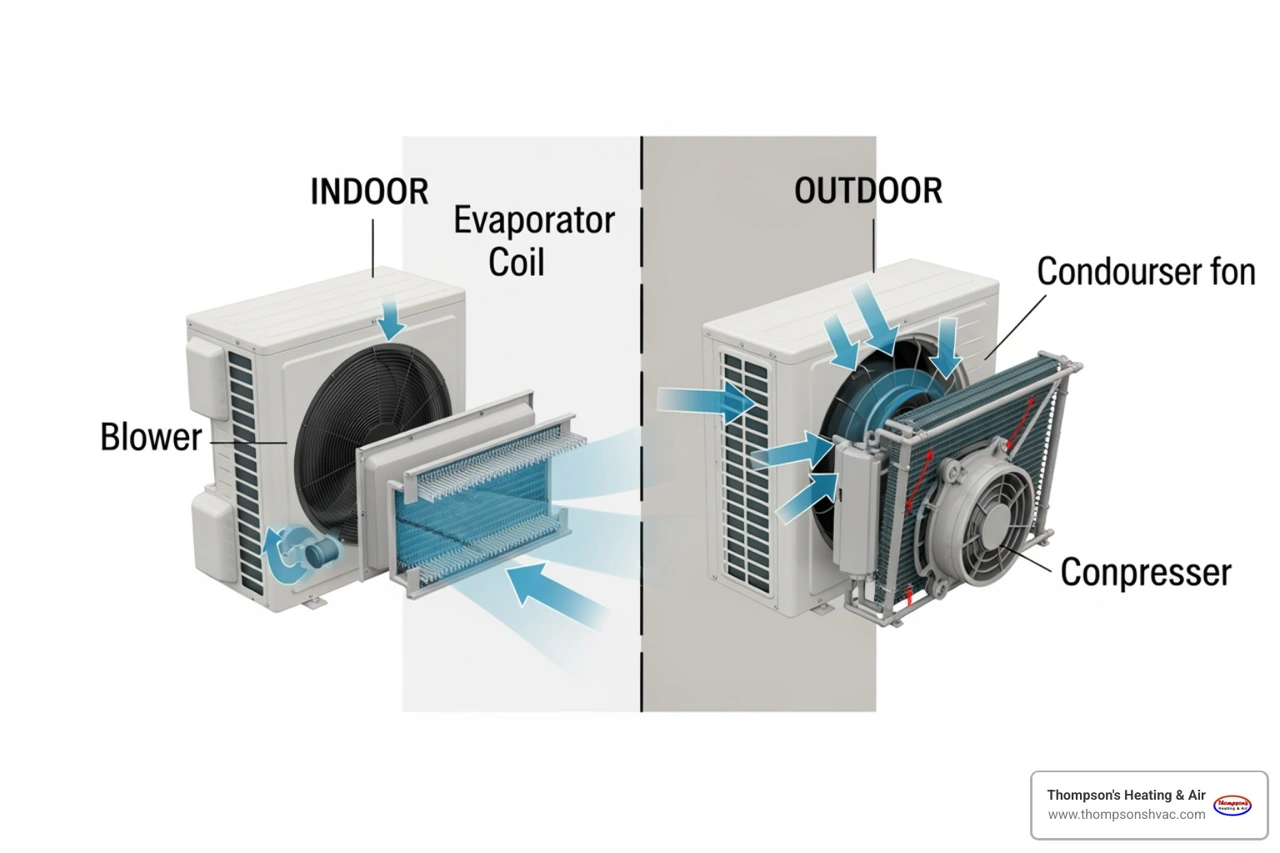
Inside the house, noises often involve the blower, evaporator area, return vents, or supply ducts. Outside, the condenser fan, compressor, and electrical components are more common culprits.
Ductwork adds another layer. Metal ducts can pop as they heat up and cool down. A little popping can be normal. Loud repeated booming, whistling, or rattling is a sign to investigate.
The Most Common AC Noises and What Each One Usually Means
A noisy AC is not always in crisis mode, but every sound tells a story. Here is the plain-English version.
Rattling, Clicking, and Buzzing: Common Causes Homeowners Notice First
These are some of the most common sounds we hear about in homes across Woodland, Davis, West Sacramento, Dixon, and nearby Yolo County communities.
Rattling
Rattling usually points to something loose or something that should not be there.
Common causes:
• Loose access panel or screw
• Twigs, leaves, or pebbles in the outdoor unit
• Loose fan blade
• Cabinet vibration
• Duct section shaking as air moves through it
If the rattling is light and intermittent, check for simple issues first. If it turns into clanking or heavy knocking, shut the system down.
Clicking
A single click at startup or shutdown can be normal. Repeated clicking is different.
Possible causes:
• Thermostat communication issue
• Failing capacitor
• Electrical contactor problem
• Fan blade striking an obstruction
• Control component trying and failing to start
If your AC clicks repeatedly but does not fully start, that is not a DIY moment.
Buzzing
Buzzing can be moderate to serious depending on the context.
Possible causes:
• Electrical imbalance or loose connection
• Contactor problem
• Failing motor
• Compressor strain
• Frozen evaporator coil caused by airflow restriction
• Debris interfering with the outdoor fan
A steady quiet hum is one thing. A loud buzz, especially if the fan is not spinning or the unit is not cooling well, is a sign to turn it off and call for service. If you need fast help, visit AC Repair in Woodland CA or AC Repair Woodland CA.
Whistling, Hissing, Bubbling, and Gurgling: Airflow, Duct, and Refrigerant Clues
These sounds often point to airflow restrictions, drain issues, duct leaks, or refrigerant concerns.
Whistling
Think tea kettle, but less charming.
Common causes:
• Dirty air filter
• Closed or blocked supply vents
• Blocked return vent
• Duct restriction or leak
• Too many vents closed off
A good rule of thumb is to keep most vents open. Closing too many can increase pressure, create whistling, and strain the system. If your filter is clogged enough that light barely passes through it, replace it.
Hissing
A short hiss after shutdown can be normal pressure equalization. A persistent hiss while the system runs is not.
Possible causes:
• Refrigerant leak
• Leaking refrigerant line connection
• Duct air escaping through a gap
• Expansion valve issue
• High pressure problem
Persistent hissing is a high-priority sound. Refrigerant issues and pressure problems should be handled by a professional.
Bubbling or gurgling
These wet-sounding noises usually suggest one of two things:
• A clogged condensate drain line
• Air or refrigerant moving where it should not
If the drain line is partially blocked, water can gurgle as it struggles to move. If the sound is paired with reduced cooling, ice, or hissing, refrigerant may be involved.
Banging, Screeching, and Grinding: High-Urgency Noises That Mean Shut It Down
These are the sounds that should stop you in your tracks.
Banging or clanking
This often means a metal part has come loose or broken.
Possible causes:
• Loose or broken blower wheel
• Fan blade striking another component
• Internal compressor damage
• Detached hardware
• Serious outdoor fan or motor issue
A loud banging noise is not a "let's see if it clears up" situation. Shut the system off.
Screeching or squealing
This high-pitched sound often points to a motor or pressure issue.
Possible causes:
• Failing fan motor bearings
• Blower motor trouble
• Compressor strain
• High internal pressure
Newer systems are often beltless, so squealing is less about a belt and more about bearings or motor trouble.
Grinding
Grinding usually means metal-on-metal wear.
Possible causes:
• Worn motor bearings
• Failing blower motor
• Severe compressor issue
Running the system in this condition can turn a repairable issue into major component damage. If you hear grinding, screeching, or heavy banging, turn the system off and schedule immediate service through AC Repair Emergency in Woodland CA.
Safe DIY Troubleshooting for AC Noises Homeowners Can Try First
Some noises have simple causes, and there are a few safe checks homeowners can make before calling us.
Here is a solid first-check list:
• Check the air filter and replace it if dirty
• Make sure return and supply vents are not blocked by furniture, rugs, or dust
• Keep at least most vents open throughout the house
• Inspect the outdoor unit for leaves, twigs, or debris after turning power off
• Tighten obvious loose panel screws on accessible covers
• Look for water around the indoor unit
• Try fan-only mode to help locate the source
• Confirm thermostat settings are correct
AC Making Strange Noises What They Mean When the Fix Is Simple
Some sounds do have simple fixes.
• Whistling often improves with a clean filter and open vents
• Light rattling may stop after tightening a loose panel screw
• Outdoor rattling can come from debris stuck in the condenser cabinet
• Thwapping can happen if something lightly touches the blower or a vent area
• Clicking near a vent may be debris shifting in the airflow
If the noise disappears after basic airflow or debris checks and the system cools normally, that is encouraging. If it comes back, it still needs attention.
What Not to Do When Your AC Is Making Strange Sounds
There are also lines homeowners should not cross.
Do not:
• Open sealed refrigerant components
• Handle capacitors or electrical parts
• Force a noisy system to keep running
• Reach into a moving fan area
• Ignore ice buildup and keep cooling
• Assume a loud humming compressor is "probably fine"
Capacitors can hold a dangerous charge even when the unit is off. Refrigerant must be handled properly. And forcing a struggling compressor to run is like driving a car with no oil and hoping for the best.
When to Call a Professional HVAC Technician Right Away
Call for service promptly if you notice any of the following:
• Banging, screeching, squealing, or grinding
• Persistent hissing
• Repeated clicking without startup
• Loud buzzing with poor cooling
• Fan not spinning
• Breaker trips
• Burning smell
• Ice on the unit or refrigerant lines
• Water leaking indoors
• Rapid cycling on and off
• Noise that keeps returning after basic checks
If your system is noisy and also not cooling properly, it is time for professional diagnosis. We recommend using AC Repair for general cooling issues or HVAC Repair Woodland CA if you need broader HVAC support.
Why Maintenance Prevents Strange Noises and Helps Your AC Last Longer
The quietest ACs are usually the best-maintained ones.
Regular maintenance twice a year, ideally in spring and fall, helps prevent most of the noises homeowners worry about. It also helps systems last longer. With proper care, many AC systems can serve a home for 15 to 20 years. Ignore warning noises long enough, and that lifespan can shrink fast.
During maintenance, we can inspect and address issues like:
• Dirty or clogged filters
• Loose hardware and vibrating panels
• Debris in the outdoor unit
• Dirty coils causing strain
• Blower buildup
• Worn bearings or motor issues
• Drain line clogs
• Refrigerant charge problems
• Loose electrical connections
That preventive work matters because many noises start small. A little vibration becomes a rattle. Restricted airflow becomes a whistle. Motor strain becomes a screech. Catching it early is the whole game.
The Noises Dirty Filters, Debris, and Loose Parts Commonly Create
Three simple culprits cause a surprising number of AC noise complaints.
Dirty filters
A clogged filter restricts airflow and often causes:
• Whistling
• Higher air noise at returns
• Buzzing from strain or frozen coil conditions
• Reduced comfort and longer run times
Debris
Outdoor units in Yolo County can collect leaves, dust, and windblown debris, especially during dry, breezy periods.
Debris can cause:
• Rattling
• Buzzing
• Fan interference
• Reduced airflow through the condenser
Loose parts
Loose screws, panels, fan blades, or mounting hardware can create:
• Rattling
• Clanking
• Thumping
• Vibration that seems louder through walls or ductwork
How Regular Service Protects Comfort, Efficiency, and System Life
Routine maintenance does more than keep your system quiet.
It also helps:
• Improve cooling performance
• Reduce strain on motors and compressor
• Support better airflow through ducts and vents
• Lower the chance of mid-season breakdowns
• Catch refrigerant, drain, and electrical problems earlier
• Extend equipment life
In short, maintenance is one of the best ways to prevent the whole ac making strange noises what they mean mystery before it starts. For more on long-term upkeep, see Blog HVAC Maintenance and Repair.
Frequently Asked Questions About AC Making Strange Noises What They Mean
Is it dangerous to keep running an AC that is making loud noises?
Sometimes no, but often yes. A light rattle from a loose panel is very different from a loud bang or grinding sound. If the noise is banging, grinding, screeching, or persistent hissing, shut the system down immediately. Running it can worsen damage to the compressor, blower, or motor and may create safety concerns.
Which AC noises point to refrigerant leaks or electrical problems?
The most common refrigerant warning sounds are:
• Persistent hissing
• Bubbling
• Gurgling combined with poor cooling or ice buildup
The most common electrical warning sounds are:
• Loud buzzing
• Repeated clicking
• Humming without startup
• Noises paired with breaker trips
If you suspect either issue, do not try to repair it yourself.
Why does my AC sound different at night or during very hot weather?
Temperature and workload both matter.
At night, metal parts cool and contract, which can create ticking or popping. During the hottest afternoons in Woodland, Davis, West Sacramento, Dixon, and surrounding areas, the system runs harder and longer. That can make normal sounds more noticeable and can also expose developing problems. Wind can also blow debris into the outdoor unit, creating fresh rattles that seem to appear out of nowhere.
Conclusion: Don’t Ignore the Sounds Your AC Is Trying to Tell You
Your AC does not need to be silent, but it should sound familiar. A soft hum, a little airflow, and an occasional startup click are usually fine. New rattling, repeated clicking, buzzing, hissing, banging, or grinding are your signal to pay attention.
Acting early can help protect comfort, efficiency, and the life of your system. Since 1992, we have helped homeowners across Woodland, Davis, West Sacramento, and nearby Yolo County communities get answers fast and restore quiet, reliable cooling.
If your system is getting louder instead of quieter, we are here to help. Learn more about local service through AC Repair in Davis CA, and if you want more local repair insights, you can also explore Blog AC Repair in Woodland CA, Blog AC Repair Emergency in Woodland CA, Blog AC Repair in West Sacramento CA, and Blog AC Repair in Davis CA.
When your AC starts talking, we help you understand what it is saying.



.avif)
.avif)
.png)
