
X Effective Tips for Avoiding HVAC Maintenance Mistakes

I'm looking for ways to lower my energy bills in Woodland. What are the most common HVAC maintenance mistakes homeowners make?
The most common hvac maintenance mistakes homeowners make include neglecting filter changes, closing vents in unused rooms, skipping annual tune-ups, ignoring warning signs like strange noises or smells, and failing to keep the outdoor unit clear - all of which quietly drive up energy bills and shorten system life.
Here's a quick overview of the top mistakes to avoid:
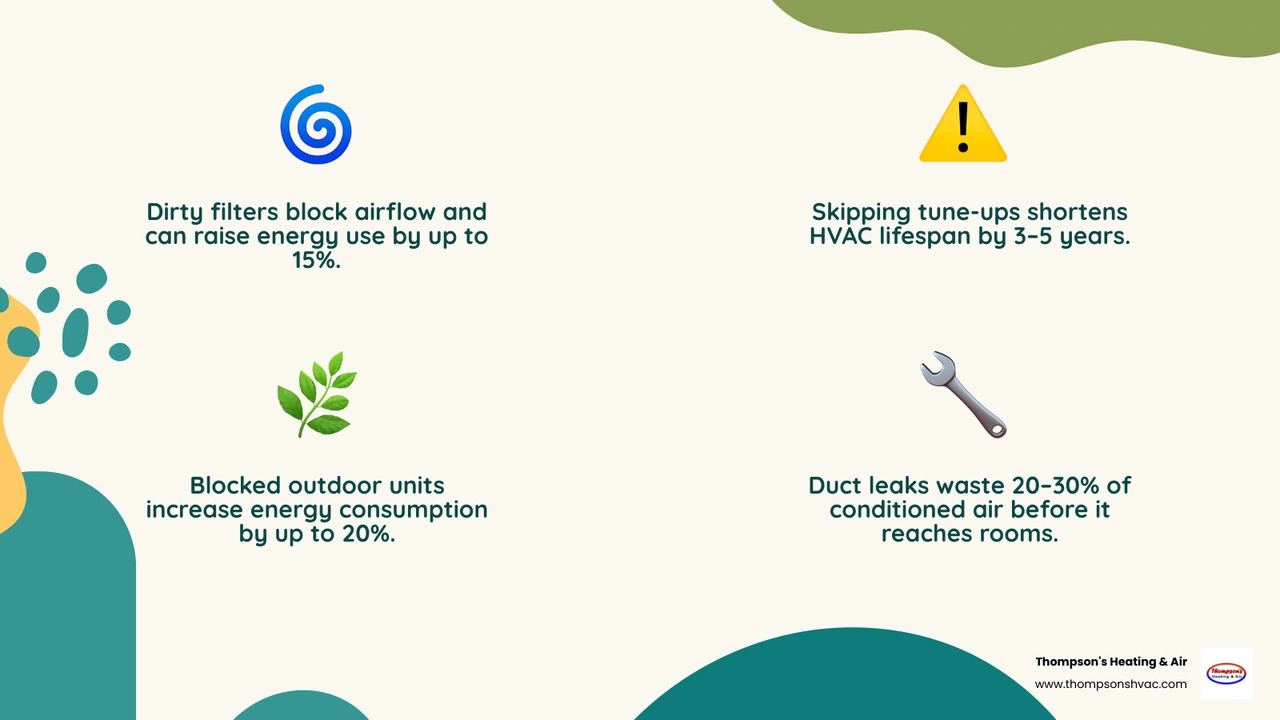
• Dirty or unchanged air filters - leads to restricted airflow and up to 15% higher energy use
• Closing or blocking vents - creates pressure imbalances that strain the blower and can damage ductwork
• Skipping professional tune-ups - can cut system lifespan by 3 to 5 years
• Ignoring unusual noises, smells, or moisture - small warning signs that often point to bigger repairs ahead
• Blocking the outdoor unit - can increase energy consumption by up to 20%
• DIY repairs beyond basic tasks - risks voiding warranties and creating safety hazards
• Improper system sizing - oversized and undersized units both cause performance problems and premature wear
• Leaky or neglected ductwork - wastes 20% to 30% of conditioned air before it reaches living spaces
• Poor thermostat habits - bad placement or extreme settings force the system to work harder than it should
• Waiting until something breaks - emergency repairs are often more extensive than preventive service
Your HVAC system works every day to keep your home comfortable through Woodland's hot, dry summers and cool Central Valley winters. Most of the time, it does its job quietly in the background - and that's exactly the problem. Because it runs without much fuss, it's easy to overlook the small habits and skipped steps that slowly wear it down.
The good news? Most of these mistakes are completely preventable. You don't need to be an HVAC expert. You just need to know what to watch for - and when to call in a pro.
The Most Common HVAC Maintenance Mistakes Homeowners Make
Most HVAC problems we see in Woodland, Davis, West Sacramento, Dixon, Winters, and nearby Yolo County communities do not start with a dramatic breakdown. They usually start with something small:
• A filter that should have been changed a month ago
• A supply vent hidden behind a couch
• An outdoor unit surrounded by weeds or leaves
• A thermostat getting blasted by afternoon sun
• A drain line slowly clogging with algae and dust
• A strange sound that gets ignored for "just one more week"
That is why so many hvac maintenance mistakes homeowners make are really habit problems, not equipment problems.
Why “set it and forget it” is one of the biggest hvac maintenance mistakes homeowners make
HVAC systems are not toasters. They run for long stretches, handle seasonal workload changes, and rely on clean airflow and tuned components to perform well. When homeowners take a "it still turns on, so it must be fine" approach, hidden wear can build for months before anyone notices.
A system may still heat or cool while dealing with:
• restricted airflow
• a dirty coil
• a weakening capacitor
• a partially clogged drain line
• loose electrical connections
• duct leakage
Lack of maintenance is still the number one HVAC problem, and the frustrating part is that it is largely preventable.
How these hvac maintenance mistakes homeowners make shorten system life
Neglected maintenance can reduce HVAC lifespan by up to 30%, and skipping annual tune-ups can shorten service life by 3 to 5 years. Most systems last around 8 to 10 years on average, though well-maintained units can often stretch beyond that.
Why the big difference? Because every airflow problem, pressure imbalance, and missed warning sign adds extra stress. Short cycling wears out components faster. Dirty filters force motors to work harder. Duct leaks waste conditioned air and increase runtime. Before long, the system is doing more work for worse results.
Tip 1–3: Fix Airflow Problems Before They Strain the System
Airflow is the foundation of HVAC performance. When it is restricted, everything else gets harder. If you want a good starting point, read How Often Should You Change Your HVAC Air Filter.
Tip 1: Change filters on the right schedule, not just when you remember
This is the classic homeowner miss. Out of sight, out of mind.
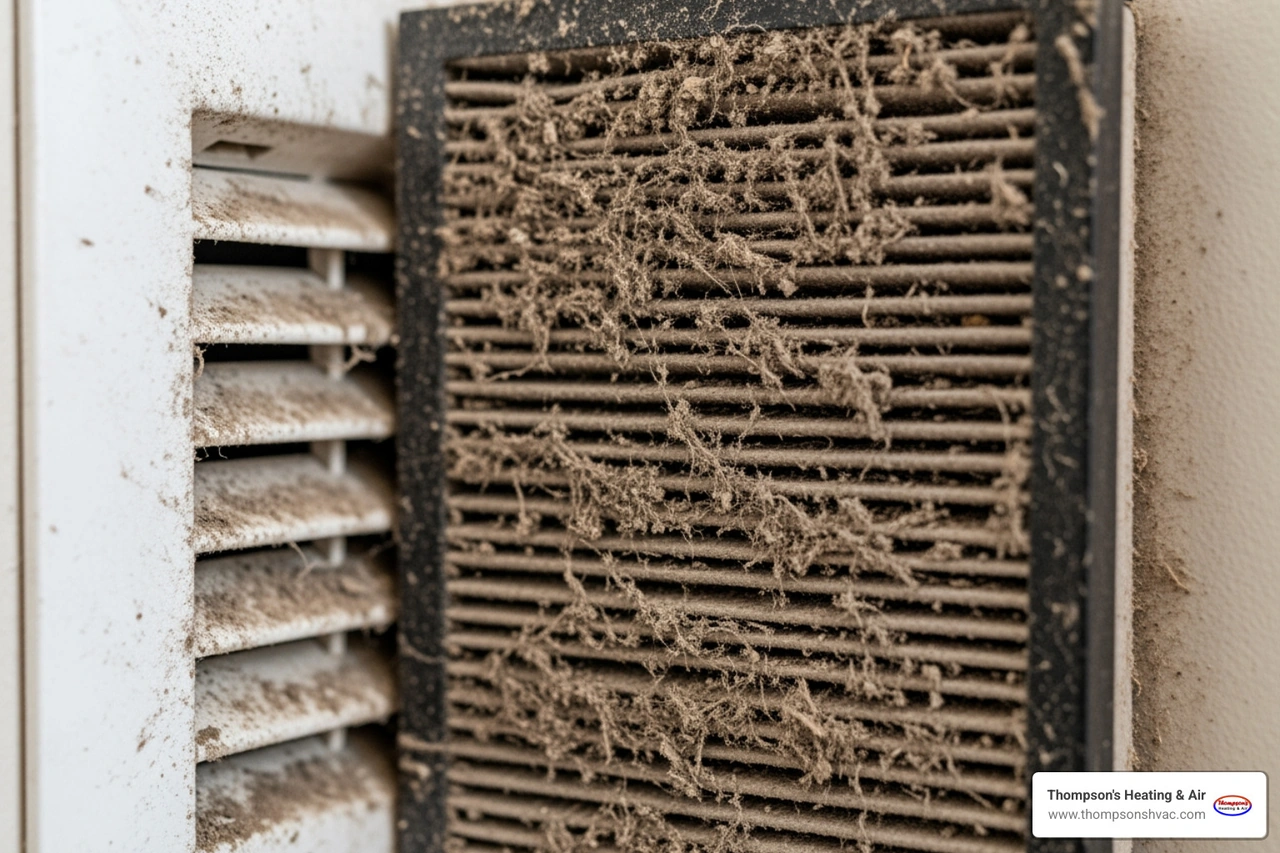
A dirty air filter restricts airflow, makes the blower work harder, and can increase energy use by 5% to 15%. In severe cases, it can contribute to frozen evaporator coils, poor cooling, weak airflow, and eventual system failure.
A practical rule of thumb:
• Check your filter every 30 days
• Replace most 1-inch filters every 30 to 90 days
• Change more often if you have pets, allergies, high dust, or heavy system use
Not every home follows the same schedule. A house with multiple pets in Woodland during peak summer cooling season will usually need more frequent checks than a lightly used vacation home.
Also, avoid guessing on super-high filter ratings. Some highly restrictive filters can reduce airflow if your system was not designed for them. If you are unsure what your system can handle, we recommend asking a pro during service.
Tip 2: Stop closing or blocking vents in unused rooms
This mistake feels logical, but HVAC systems do not usually see it that way.
Closing vents to "save energy" often creates pressure imbalances in the ductwork. Instead of helping, it can:
• strain the blower motor
• reduce airflow across the coil
• create uneven temperatures
• increase the chance of duct leakage
• contribute to freezing issues in cooling season
In short: closing vents is a myth that can actually make your system less efficient.
Leave supply vents open, and make sure furniture, curtains, rugs, and storage bins are not blocking them. If certain rooms are consistently uncomfortable, the fix is usually better balancing, duct improvements, insulation upgrades, or zoning - not shutting vents and hoping for the best.
Tip 3: Keep returns, registers, and interior doors clear for balanced airflow
Supply vents push conditioned air in, and return vents pull air back to the system. Both matter.
Common airflow blockers include:
• sofas over floor registers
• beds pushed against return grilles
• rugs covering vents
• dust buildup on return grilles
• tightly closed interior doors throughout the house
When doors and vents are constantly blocked, airflow gets unbalanced. That can create hot spots, cold spots, and extra strain on the system. We recommend keeping returns clear, vacuuming dust around vents, and allowing interior air to circulate normally.
Tip 4–6: Don’t Ignore Warning Signs or Skip Routine Service
Preventive care is one of the best ways to avoid surprise breakdowns. For a deeper dive, see our Annual HVAC Maintenance Complete Guide and How to Prevent HVAC Emergencies with Maintenance.
Tip 4: Schedule professional tune-ups before peak heating and cooling seasons
For most homes in our area, the best approach is simple:
• schedule cooling service in spring
• schedule heating service in fall
That timing helps catch problems before summer heat or winter cold puts the system under its heaviest load.
Why tune-ups matter:
• small issues are caught before they become major repairs
• coils, drains, and components are cleaned and checked
• worn parts can be identified early
• efficiency stays higher
• system life lasts longer
• some manufacturer warranties may require regular professional maintenance
One of the most common parts to fail is the capacitor. It is small, but when it weakens, your system may struggle to start or may short cycle. Problems like that are exactly why tune-ups are valuable.
Tip 5: Take strange noises, smells, and short cycling seriously
Your HVAC system should not sound or smell "interesting."
Call for service if you notice:
• grinding or screeching
• banging or rattling
• a burning smell
• musty odors
• repeated short cycling
• weak airflow
• sudden comfort changes
A grinding sound can point to motor bearing trouble. A burning smell may signal electrical issues. A musty odor can suggest moisture or mold problems. Short cycling can be caused by airflow restrictions, thermostat issues, dirty coils, or improper sizing.
The earlier these issues are diagnosed, the better. Waiting often turns a manageable repair into a bigger headache. If you are seeing warning signs, our post on Signs Your AC Needs Repair is a helpful next read.
Tip 6: Watch for moisture around the system and keep the condensate drain clear
Moisture around your indoor unit is never something to shrug off.
In cooling mode, your system removes humidity from the air, and that moisture exits through the condensate drain line. Over time, algae, mold, dust, and sludge can clog that line.
Signs of trouble include:
• water near the indoor unit
• musty smells
• water stains around the system
• an AC shutting off because the float switch triggered
• moisture near an emergency drain outlet
If that drain backs up, you can end up with water damage, mold growth, and system interruptions.
Tip 7–8: Avoid Sizing and DIY Errors That Create Long-Term Problems
Some HVAC problems start long before the first service call. They begin at installation or during an overconfident DIY attempt.
Tip 7: Make sure replacement equipment is properly sized for the home
Bigger is not always better. In HVAC, oversized and undersized are both bad.
A properly sized system should be based on a real load calculation for the home, not just square footage alone. Insulation, windows, sun exposure, duct layout, and home design all matter.
Problems with oversized systems:
• short cycling
• poor humidity control
• uneven temperatures
• extra wear from frequent starts and stops
Problems with undersized systems:
• long runtimes
• trouble reaching set temperature
• higher wear
• comfort issues during extreme weather
Proper sizing matters because the wrong unit can feel disappointing from day one and continue creating efficiency and comfort issues for years.
Tip 8: Know the safe DIY limit and leave repairs to licensed pros
There are a few homeowner-safe maintenance tasks we absolutely encourage:
• changing filters
• keeping vents clear
• gently rinsing debris from the outside of the condenser after power is shut off
• replacing thermostat batteries if applicable
• checking obvious settings before calling
But actual repairs are a different story.
DIY HVAC repair can create safety risks and bigger equipment problems, especially when it involves:
• high-voltage electrical components
• thermostat wiring
• gas connections
• refrigerant handling
• capacitors
• motors
• sealed components
Incorrect repairs can void warranties, damage parts, or create hazards like electrical shorts and gas leaks. Smart thermostat wiring mistakes can also lead to no heating or cooling at all. When in doubt, stop at basic maintenance and call a professional.
Tip 9–10: Improve Efficiency With Better Outdoor Unit, Duct, and Thermostat Habits
A few small habits outside the house and at the thermostat can make a surprisingly big difference. For more basics, see How to Maintain Your Heating and Cooling System.
Tip 9: Keep the outdoor unit clean, open, and able to breathe
Your outdoor condenser needs airflow around it to release heat properly. When it gets boxed in by plants, fences, leaves, or grass clippings, efficiency drops.
Blocked outdoor units can increase energy use by up to 20%.
We recommend:
• keeping about 2 feet of clear space around the unit
• trimming back shrubs and weeds
• removing leaves and debris regularly
• gently rinsing the exterior coil with a garden hose when dirty
• avoiding storage around the unit
If the coil is heavily impacted or bent, deeper cleaning should be left to a technician.
Tip 10: Use the thermostat correctly and don’t overlook duct and insulation losses
Thermostats do more than turn the system on and off. Their location and settings affect comfort, runtime, and efficiency.
Good thermostat habits include:
• keeping settings steady instead of constantly adjusting
• avoiding extreme temperature setbacks
• making sure the thermostat is not in direct sunlight
• keeping it away from lamps, kitchens, and other heat sources
• considering a programmable or smart thermostat for scheduling
A thermostat in a bad spot can misread the home's actual temperature and cause unnecessary cycling.
Also, do not ignore what is happening behind the walls and above the ceiling. Leaky ducts can waste 20% to 30% of conditioned air. Poor insulation can lead to significantly higher cooling costs. If some rooms never feel right, the issue may not be the equipment itself - it may be air loss or heat gain in the home.
Here is a simple comparison:
• Check filters monthly — Harmful HVAC habits: Forget filters until airflow drops
• Keep vents open and clear — Harmful HVAC habits: Close vents in unused rooms
• Schedule seasonal tune-ups — Harmful HVAC habits: Wait for a breakdown
• Watch for moisture and odors — Harmful HVAC habits: Ignore leaks and musty smells
• Keep outdoor unit clear — Harmful HVAC habits: Let shrubs and debris crowd it
• Use steady thermostat settings — Harmful HVAC habits: Constantly crank settings up and down
• Address duct or insulation issues — Harmful HVAC habits: Blame the equipment for every comfort problem
Frequently Asked Questions About HVAC Maintenance Mistakes Homeowners Make
How often should homeowners change their air filters and why does it matter?
We recommend checking filters monthly and replacing them every 1 to 3 months in most homes. Homes with pets, allergies, or more dust may need changes closer to every 30 to 60 days.
It matters because dirty filters:
• restrict airflow
• reduce efficiency
• increase energy use
• put extra strain on motors and coils
• can hurt indoor air quality
• may lead to frozen coils or poor heating and cooling
Why is skipping professional tune-ups a costly mistake?
Because hidden problems do not stay hidden forever.
Professional tune-ups help catch wear early, clean performance-limiting buildup, test components, and reduce the chance of breakdowns during extreme weather. They also help protect efficiency and can extend system life. Since emergency repairs are often more extensive than preventive service, routine maintenance is usually the smarter path.
What happens when homeowners close or block air vents?
Closing or blocking vents creates backpressure in the system and disrupts airflow balance. That can strain the blower, reduce comfort, increase the chance of duct leaks, and in some cases contribute to coil freezing or short cycling. It is one of the most common habits that seems helpful but backfires.
Conclusion: Simple HVAC Habits That Protect Comfort and Efficiency
The biggest HVAC mistakes are usually not dramatic. They are small, repeatable habits:
• forgetting filter changes
• skipping tune-ups
• blocking vents
• ignoring warning signs
• crowding the outdoor unit
• delaying repairs
• overlooking duct losses
• misusing the thermostat
The good news is that these are all fixable.
A little consistency goes a long way toward fewer repairs, better airflow, lower energy waste, and a longer-lasting system. If you want a deeper look at whether ongoing service makes sense for your home, read Is an HVAC Maintenance Plan Worth It.
And if you are ready for help with maintenance, repairs, or a system checkup in Woodland or anywhere across our Yolo County service area, visit HVAC maintenance and repair services.
At Thompson's Heating & Air, we have been helping local homeowners since 1992 with reliable HVAC care built around comfort, efficiency, and long-term peace of mind.



.avif)
.avif)
.png)
