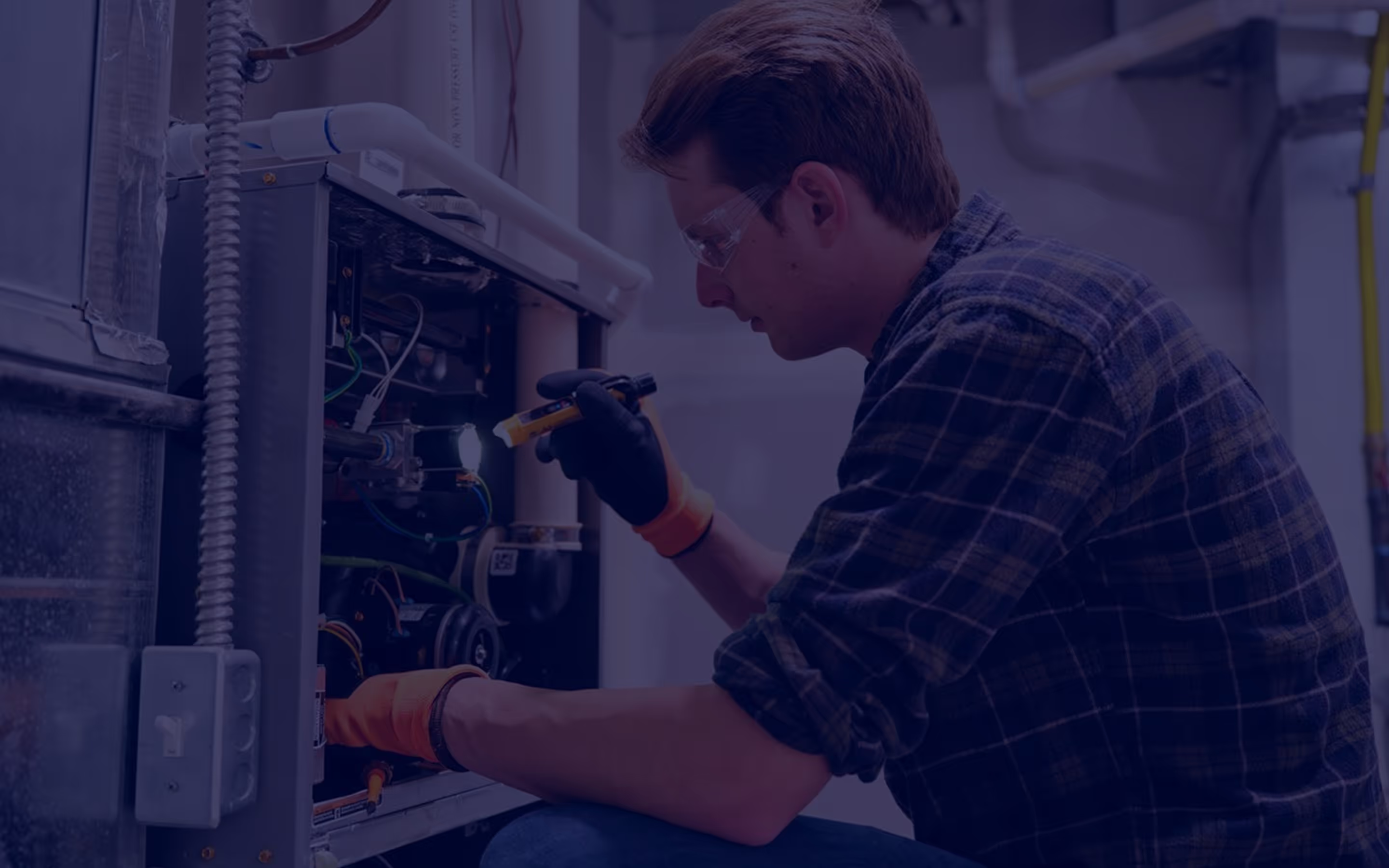
Heat Pump Service in Woodland, CA
Struggling with heat pump issues in Woodland? Contact us for urgent diagnostics, repairs, and efficiency restoration. Ensure comfort with expert service!

Restore Your Heat Pump Efficiency Immediately
Experiencing discomfort during Woodland’s hot, dry summers or struggling to stay warm during the wet winter months suggests your system is failing to meet demand. When a heat pump stops regulating temperature correctly, you face rising energy costs and potential safety hazards, requiring immediate professional intervention. Contact Thompson's Heating & Air today to schedule a diagnostic visit or inquire about our flexible financing options for repairs and replacements.
We specialize in resolving complex HVAC issues quickly to minimize downtime in your home. We understand that a malfunctioning unit disrupts your daily life, which is why our service focuses on technical precision and speed.
- Quickly restore comfort with our same-day service availability for urgent repairs.
- Prevent future mechanical failures with thorough, component-level maintenance checks.
- Optimize system efficiency to ensure lower energy bills and consistent indoor temperatures.
- Backed by comprehensive labor warranties and flexible financing available to fit your budget.
Comprehensive Heat Pump Diagnostics and Repair
When your climate control system fails, the priority is identifying the root cause rather than simply treating the symptom. Heat pumps are sophisticated machines that handle both heating and cooling, meaning they operate year-round and endure twice the wear and tear of a standard furnace or air conditioner. A breakdown rarely has a single cause; often, it is a combination of airflow restrictions, electrical fatigue, or refrigerant imbalances.
Our diagnostic process involves a systematic evaluation of the entire system. We do not guess. We measure, test, and verify. This begins with an analysis of the thermostat communication to ensure it is sending the correct voltage to the air handler and outdoor condensing unit. From there, we inspect the reversing valve—the critical component that switches the unit between heating and cooling modes. If this valve is stuck, your system will blow cold air in winter or hot air in summer, regardless of the thermostat setting.
We also examine the electrical components, including capacitors, contactors, and relays. In the high temperatures typical of the region, these electrical parts can overheat and fail, preventing the compressor from starting. Simultaneously, we check refrigerant levels. A system low on refrigerant will struggle to transfer heat effectively, leading to long run times and high electric bills. If a leak is detected, we locate it, repair the breach, and recharge the system to manufacturer specifications.
In addition to mechanical components, we evaluate airflow. A heat pump requires a specific volume of air over the indoor coil to function. Blocked ducts, dirty filters, or a failing blower motor can cause the system to freeze up or overheat. Our service includes a static pressure test to verify that your ductwork is supporting, not hindering, the equipment. By addressing these core issues, we restore the unit to its original efficiency and performance levels.
How Our Service and Restoration Process Works
Restoring your home’s comfort follows a strict, repeatable process designed to ensure transparency and technical accuracy. We eliminate the uncertainty often associated with contractor work by adhering to a clear workflow.
- Scheduling and Dispatch: First, you secure a time slot that aligns with your schedule. Our dispatch team confirms the appointment and provides a notification when the technician is en route to your Woodland property. You receive a clear timeframe, minimizing the time you spend waiting.
- On-Site Assessment and Troubleshooting: Upon arrival, the technician conducts a visual inspection followed by instrument-based testing. We utilize advanced multimeters and refrigerant gauges to read the system’s vital signs. This step isolates the failure, whether it is a seized motor, a failed control board, or a refrigerant restriction.
- Clear Explanation and Quoting: Once the issue is identified, we explain the failure in plain language. You receive a flat-rate quote for the repair. This quote includes all parts, labor, and taxes. There are no hidden fees or hourly billing surprises. You approve the work before we proceed.
- Execution of Repairs: The technician performs the necessary repairs using OEM (Original Equipment Manufacturer) or high-quality aftermarket parts. This involves safely handling high-voltage electricity and pressurized refrigerants. We adhere to all safety protocols to protect your home and our staff.
- System Validation and Testing: After the repair is complete, we do not simply leave. We cycle the system through all its modes to ensure the fix is permanent. We verify temperature splits—the difference in temperature between the supply and return air—to confirm the unit is heating or cooling effectively.
- Site Cleanup and Final Report: Finally, we clean the work area, removing any debris or old parts. We provide a digital service report detailing what was done, the parts replaced, and the status of the system’s overall health.
Deciding Between Repair and Replacement
Homeowners often face the difficult choice of sinking money into an existing system or investing in a new one. Making the right decision depends on data, not guesses. We help you evaluate the viability of your current heat pump based on age, condition, and repair history.
- The 50% Rule: If the cost of the necessary repair approaches or exceeds 50% of the value of a new system, replacement is generally the smarter financial move. Investing thousands of dollars into an old unit that may fail again in six months is rarely cost-effective.
- System Age and Expectancy: Heat pumps typically last between 10 and 15 years. Because they run year-round to handle both heating and cooling duties, they reach the end of their lifecycle faster than a standalone furnace. If your unit is over 12 years old and requires a major component like a compressor or reversing valve, replacement usually offers a better return on investment.
- Frequency of Breakdowns: If you have required repairs more than twice in the last two years, the system is likely entering a phase of rapid decline. Recurring issues indicate that multiple components are reaching the end of their service life simultaneously. Continuing to repair a "lemon" drains your budget without solving the reliability issue.
- Efficiency Ratings (SEER and HSPF): Older heat pumps often have SEER (Seasonal Energy Efficiency Ratio) ratings of 10 or 12. Modern units start at 14 and go much higher. Upgrading to a new system can reduce energy consumption by 20% to 40%, which helps offset the installation cost over time. If your current energy bills are spiking despite moderate usage, the equipment’s efficiency has likely degraded significantly.
- Comfort Consistency: If the unit can no longer keep up with the temperature set on the thermostat, or if you notice significant hot and cold spots throughout the house, the system’s capacity may be compromised. When a compressor loses compression, it runs longer to achieve less, resulting in discomfort and noise.
Woodland Regulations, Permits, and Climate Considerations
Operating a heat pump in Yolo County requires understanding specific local factors that influence performance and compliance. Thompson's Heating & Air ensures that all services and installations align with local building codes and manufacturer requirements for this specific climate.
- Permitting and Title 24 Compliance: In California, major HVAC repairs and replacements often trigger Title 24 energy efficiency standards. This code requires duct testing and verification to ensure the system is not leaking conditioned air into attics or crawlspaces. When we perform significant work, we handle the permitting process with the City of Woodland Building Division. This ensures your warranty remains valid and your home’s value is protected. Unpermitted work can lead to fines and complications during a future home sale.
- Managing High Summer Temperatures: Woodland experiences intense dry heat, often exceeding 90°F. This puts immense strain on the outdoor condensing unit. The condenser coil must remain perfectly clean to dissipate heat. Dust, cottonwood seeds, and agricultural debris common in the area can clog these coils, causing head pressure to rise and compressors to fail prematurely. Our service includes chemical cleaning of these coils to maintain heat transfer efficiency during peak summer loads.
- Handling Wet Winters and Defrost Cycles: While winters here are mild compared to other regions, the combination of temperatures in the 40s and 50s with high humidity and rainfall creates a specific challenge for heat pumps: frost. The outdoor unit acts as an evaporator in heating mode, and moisture in the air can freeze on the coil. A functioning defrost board is essential. If the defrost cycle fails, the unit becomes a block of ice, stopping heat production and potentially crushing the coil fins. We test the defrost sensors and control boards to ensure they activate correctly during damp November through March weather.
Technical Expertise and Professional Calibration
Modern heat pumps are complex systems that rely on the precise interaction of thermodynamics and digital controls. Professional calibration is the difference between a unit that runs and a unit that performs. DIY attempts or handyman fixes often overlook the subtle balance required for optimal operation.
- Refrigerant Charge Accuracy: Heat pumps are critically sensitive to refrigerant levels. Being undercharged by just 10% can reduce efficiency by 20% and cause the compressor to overheat. Being overcharged can cause liquid refrigerant to flood the compressor, leading to catastrophic failure. We use subcooling and superheat calculations to charge the system to the exact ounce required by the manufacturer.
- Airflow Balancing: The blower motor speed must be matched to the ductwork and the coil size. If the airflow is too high, the air will not be dehumidified properly in summer, leaving your home feeling clammy. If it is too low, the coil can freeze. We adjust blower speeds and check static pressure to ensure the air volume is correct for the specific tonnage of your heat pump.
- Electrical Safety and Tightening: Vibration from normal operation loosens electrical connections over time. Loose connections cause resistance, which generates heat and burns wires or terminals. We torque all electrical connections to factory specifications and inspect wire insulation for signs of wear or rodent damage, which is a common issue in attics and crawlspaces.
- Thermostat Integration: Modern smart thermostats require precise wiring to control auxiliary heat strips and staging. Incorrect wiring can cause the expensive electric heat strips to run simultaneously with the heat pump, skyrocketing your electric bill. We verify that the thermostat is programmed to lock out auxiliary heat unless absolutely necessary, maximizing the energy-saving potential of the heat pump.
Preventative Maintenance Plans
The most effective way to avoid emergency service calls is through scheduled maintenance. A heat pump works double duty, accumulating twice the run hours of a standard AC or furnace. Neglecting maintenance accelerates wear and voids manufacturer warranties.
- Bi-Annual Inspections: Because the system heats and cools, it requires attention twice a year: once before the cooling season and once before the heating season. This ensures the reversing valve shifts properly and the coils are clear of seasonal debris.
- Condensate Drain Management: In summer, the indoor coil removes gallons of water from the air. This water drains through a PVC pipe. Algae and mold can grow in this line, causing clogs. A clogged drain can trigger a safety float switch that shuts down the system or, worse, causes water damage to your ceiling or floors. We clear and treat the drain line during every service visit.
- Lubrication of Moving Parts: Motors and bearings require lubrication to reduce friction and heat. Dry bearings cause grinding noises and eventual motor seizure. We inspect and lubricate all accessible moving parts to extend their lifespan and reduce noise levels.
- Filter Strategy: Standard 1-inch filters may not provide enough airflow for some high-efficiency heat pumps. We advise on the correct MERV rating for your specific unit. Using a filter that is too restrictive can suffocate the system, while a cheap filter allows dust to coat the indoor coil and blower wheel.
Restoring Comfort and Efficiency
A functioning heat pump is essential for navigating the climate in Woodland, CA. Whether you are dealing with a sudden breakdown or looking to improve the efficiency of an aging unit, professional service ensures your system operates safely and reliably. From accurate diagnostics to code-compliant repairs and strategic replacements, the goal is always consistent indoor comfort.
Do not let a minor issue escalate into a major system failure. Secure your home’s temperature control with expert attention — request an estimate. Take control of your indoor climate today—schedule your service now.
.avif)
Schedule Your Heat Pump Service Today
Do not wait for your [system type] to fail completely. Call Thompson's Heating & Air today at (530) 661-2599 to schedule your [service name] in [city] or anywhere in Yolo County. Our experienced technicians are ready to restore your comfort with fast, reliable service you can trust.



.avif)
.avif)
.png)
