
Dry Heat and High Efficiency and Why Heat Pumps Love the Desert Air

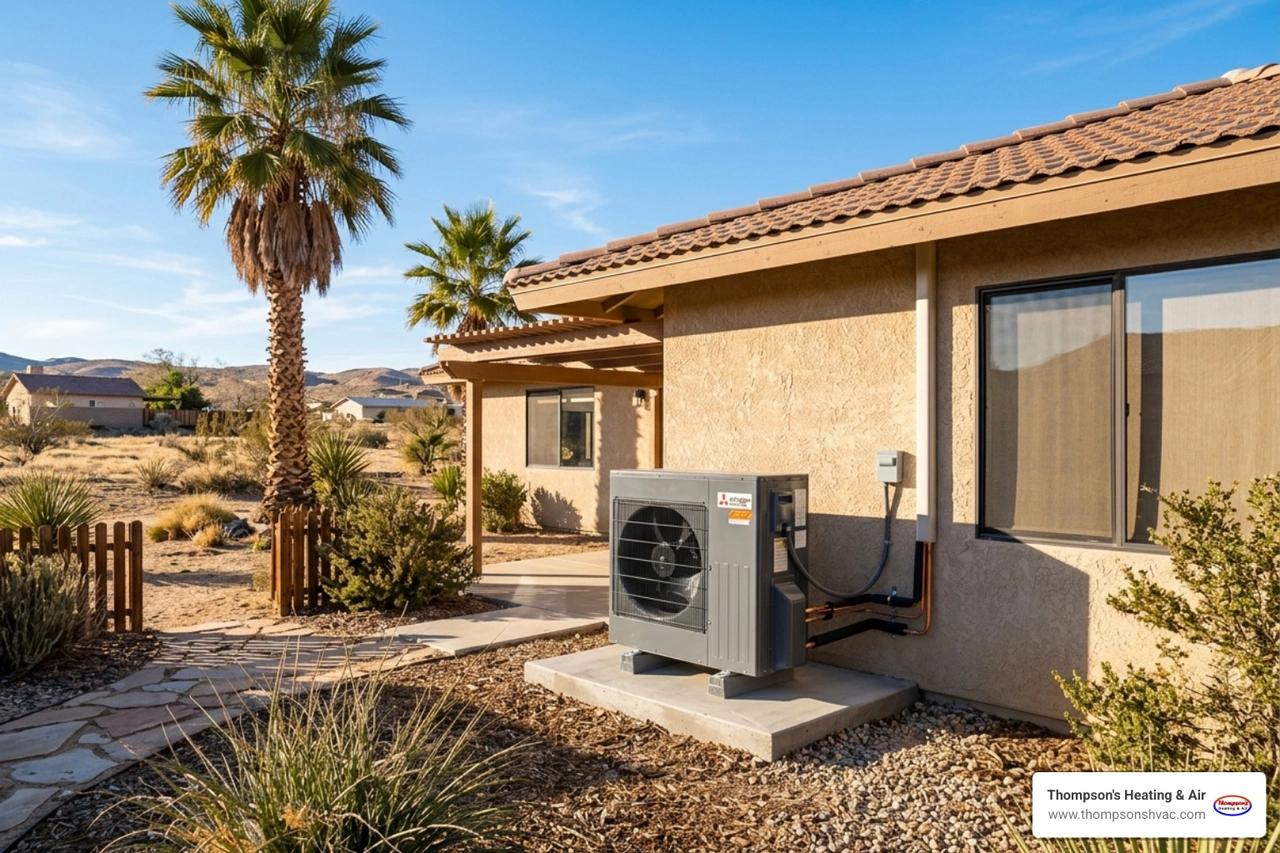
Why Hot, Dry Climates Like Woodland, CA Are Actually Ideal for Heat Pumps
Are heat pumps efficient in hot dry climates? Yes — and the evidence is clear. Modern heat pumps don't just survive desert-like heat, they thrive in it. Here's a quick look at why:
Heat Pump Efficiency in Hot Dry Climates at a Glance:
• Cooling efficiency: Up to 24+ SEER2 for ducted systems; up to 30 SEER2 for ductless mini-splits
• Energy efficiency ratio: COP of 3.0–7.0 (200–500% more efficient than gas furnaces)
• Peak heat performance: Premium inverter-driven systems maintain full cooling capacity up to 125°F
• Winter heating: Efficiently extracts heat from mild 40–50°F outdoor air common in Woodland, CA winters
• Lifespan advantage: 18–22 years in dry climates due to reduced corrosion vs. humid environments
• Real-world savings: Switching to a heat pump in a hot dry desert climate can save over $1,000 per year in combined heating and cooling costs
If you live in Woodland, CA or anywhere in the Sacramento Valley, your climate is almost perfectly matched to how a heat pump works best.
Most people assume heat pumps struggle in extreme heat — or that they need humidity to operate. Neither is true. Heat pumps move heat rather than generate it, which means the dry, low-corrosion air of Northern California's inland valleys is actually gentler on equipment and better for long-term performance than the humid conditions found in coastal or southeastern climates.
Field studies from nearby Redding, CA — a city with roughly 2,000 cooling degree days annually and a climate nearly identical to Woodland's — showed that heat pump systems delivered up to 60% energy savings compared to conventional electric systems. That's not a manufacturer claim. That's real-world data from homes in your region.
And while summer temperatures in Yolo County regularly push past 100°F, today's variable-speed, inverter-driven heat pumps are engineered to handle it. This guide walks through exactly how they perform, what the data says, and what Woodland homeowners should know before making the switch.

Are heat pumps efficient in hot dry climates like Woodland?
When we talk about efficiency in the HVAC world, we often use the term "Coefficient of Performance" (COP). While a high-efficiency gas furnace might reach a 96% or 98% efficiency rating, a heat pump blows those numbers out of the water. In the hot, dry stretches of the Sacramento Valley, modern Heat Pumps often achieve a COP between 3.0 and 7.0.
What does that actually mean for your utility bill? It means for every one unit of electricity the system uses, it moves three to seven units of heat. That is essentially 300% to 700% efficiency. Because these systems transfer heat rather than generating it through combustion or electric resistance, they are the most energy-efficient way to stay comfortable in April 2026 and beyond.
In Woodland, our cooling loads are significant. We have long, scorching summers where the sun beats down on the valley floor. Traditional air conditioners work hard, but a heat pump uses the same refrigerant cycle to move that heat out of your home with even greater precision. Because our climate lacks the heavy latent heat (humidity) found in places like Florida, the heat pump can focus entirely on "sensible cooling"—dropping the actual temperature of the air you feel.
Debunking myths: are heat pumps efficient in hot dry climates without humidity?
One of the most persistent myths we hear at Thompson's Heating & Air is that heat pumps "need humidity" to work properly. This likely stems from a misunderstanding of how the evaporation and condensation cycles work. In reality, dry air is a heat pump’s best friend.
In humid climates, an HVAC system has to spend a massive amount of energy just wringing the water out of the air before it can effectively lower the temperature. In Woodland’s dry heat, that energy isn't wasted. The heat exchange physics are cleaner and more direct. Furthermore, dry air reduces the "thermal stress" on the outdoor coils.
When we perform a Heat Pump Installation Woodland CA, we ensure the system is calibrated for our specific "thermal cycling"—those big swings where it’s 105°F during the day and 65°F at night. Heat pumps handle these transitions beautifully, providing an evaporative cooling effect that feels crisp and consistent without the "clammy" feeling sometimes associated with oversized traditional units.
Real-world data: are heat pumps efficient in hot dry climates like Redding and Woodland?
We don't just rely on laboratory tests; we look at how these systems perform in our Northern California backyard. A landmark study in Redding, CA—which shares our intense summer heat and mild winters—provided some eye-opening metrics.
The study found that heat pump technology achieved energy savings of approximately 60% compared to standard electric systems. In areas with high cooling degree days (like the 2,000+ we see in the Sacramento Valley), the space cooling offsets were significant. Homeowners in the study reported that even during peak summer months, their systems maintained a high level of performance without the massive spikes in energy consumption seen with older AC units.
For our customers, this translates to Heat Pump Service Woodland CA that focuses on optimization rather than just survival. The data proves that in hot-dry zones, the efficiency doesn't just hold steady; it often exceeds expectations because the system doesn't have to fight against moisture.
Handling the Heat: Performance at 110°F and Beyond
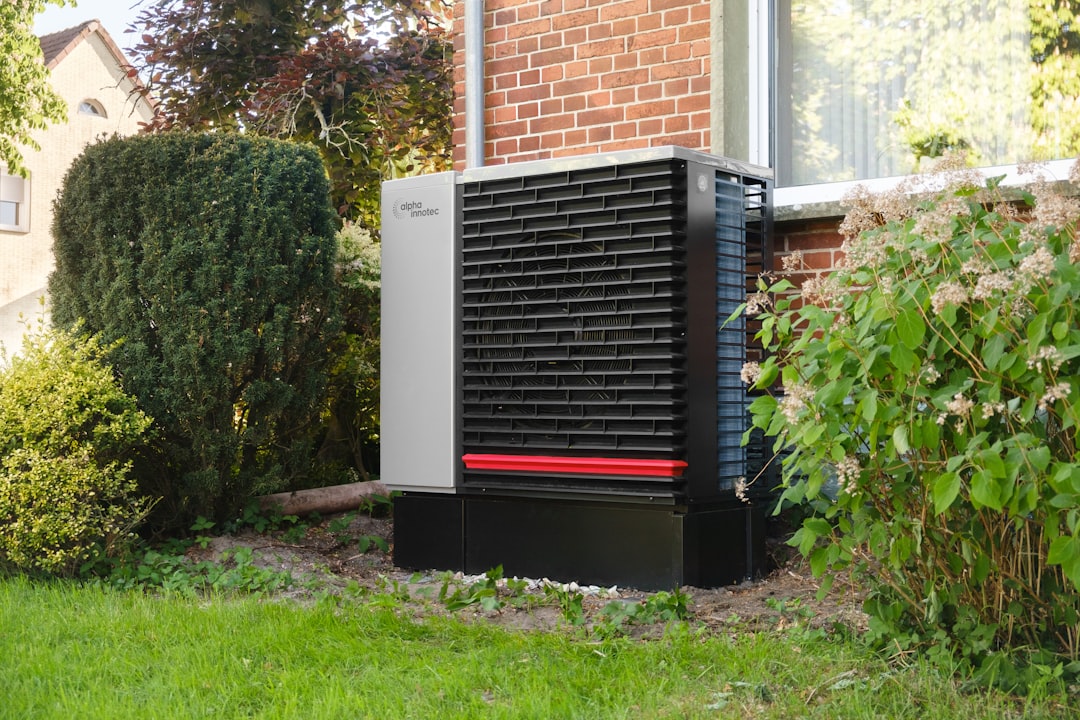
It’s a common worry: "What happens when the thermometer hits 112°F in July?" Older heat pumps from twenty years ago might have struggled, but the 2026 standards for Heat Pump Repair Woodland CA and installation involve much more advanced technology.
Modern systems utilize inverter-driven, variable-speed compressors. Unlike a traditional "single-stage" AC that is either 100% on or 100% off, an inverter system can scale its output. If it’s 115°F outside, the system doesn't just panic and shut down; it adjusts its speed to maintain capacity. Premium units are now rated to maintain full cooling capacity at temperatures up to 125°F.
Maintaining capacity during Northern California heatwaves
During a Sacramento Valley heatwave, the "EER2" rating becomes your most important metric. While SEER2 measures efficiency over an entire season, EER2 measures how the system performs at a single high-stress point (usually 95°F or higher).
High-end inverter systems can reach 24+ SEER2, which is nearly double the efficiency of the 14 SEER units many homes still have. By using Heat Pump Service to keep your system tuned, you ensure that the variable-speed technology is doing its job: load matching. The system calculates exactly how much cooling is needed to offset the heat entering through your windows and walls, then runs at the lowest possible speed to keep you comfortable. This prevents the "thermal shock" to hardware that occurs when a system constantly cycles on and off in extreme heat.
Winter performance and the reversing valve
While we focus on the "hot" part of "hot dry climates," we can't forget our winters. Woodland and Davis don't usually see the sub-zero temperatures of the Midwest, but we do get those crisp 40°F nights. This is the "sweet spot" for heat pump efficiency.
A heat pump uses a reversing valve to switch the flow of refrigerant. In the winter, it extracts residual heat from the outdoor air—yes, even 40°F air has plenty of heat energy in it—and moves it indoors. Because it isn't "making" heat by burning gas, it’s incredibly cheap to run. For many of our customers, Heat Pump Repair is much less frequent than furnace repair because the system is designed for these mild-to-warm transitions. You get all-electric comfort year-round without the carbon footprint of a gas furnace.
The Arid Advantage: Longevity and Maintenance
One of the biggest surprises for homeowners is that heat pumps actually last longer in dry climates like ours than they do in humid or coastal areas. We call this the "Arid Advantage."
• Average Lifespan — Heat Pump in Dry Climate (Yolo County): 18–22 Years — Traditional AC / Humid Climate: 12–15 Years
• Corrosion Risk — Heat Pump in Dry Climate (Yolo County): Very Low — Traditional AC / Humid Climate: High (Salt/Moisture)
• Coil Degradation — Heat Pump in Dry Climate (Yolo County): Minimal — Traditional AC / Humid Climate: Significant
• Maintenance Need — Heat Pump in Dry Climate (Yolo County): Dust Management — Traditional AC / Humid Climate: Rust/Mold Prevention
Low humidity means your outdoor unit isn't constantly sitting in a damp environment. Moisture is the primary driver of rust and electrical corrosion. In Woodland, our Heat Pump Maintenance focuses on keeping the unit clean and clear of debris, rather than fighting the inevitable decay caused by salt air or swampy humidity.
Managing dust and sand in Yolo County
If there’s one challenge to our dry climate, it’s the dust. Whether it’s from agricultural activity in Winters and Dixon or just the dry valley winds, dust can coat your outdoor coils. A dirty coil can drop your efficiency by 15% to 30% almost overnight.
That’s why Heat Pump Service Woodland CA is so vital. We recommend:
1. Monthly Filter Changes: During the peak of summer, dust levels are high. A clean filter ensures the indoor "evaporator" coil stays clean.
2. Professional Coil Cleaning: We use specialized, non-corrosive cleaners to wash away the fine silt that the valley wind deposits on your outdoor unit.
3. Airflow Optimization: We check to ensure that the surrounding landscape (like those beautiful but messy oleanders) isn't choking the system's intake.
Best system types for hot dry regions
If you’re looking for the absolute "gold standard" of efficiency in a dry climate, ductless mini-splits are hard to beat. These systems can reach staggering ratings of 30 SEER2. Why? Because they eliminate duct loss.
In a traditional home, you can lose 20% to 30% of your cooled air through tiny leaks in the ductwork in your hot attic. By using Heat Pump Installation that places the cooling heads directly in the rooms you use, you bypass the attic entirely. For larger homes, variable-capacity ducted systems offer excellent zone control, allowing you to cool the kitchen during the day and the bedrooms at night without wasting energy on empty space.
Frequently Asked Questions about Heat Pump Efficiency
Can heat pumps handle 115°F temperatures in Woodland?
Absolutely. While budget-grade systems might see a slight dip in capacity once you cross the 110°F mark, premium inverter-driven systems are specifically tested for these "desert" conditions. They are engineered to operate reliably even when the Sacramento Valley sun is at its most intense.
Do heat pumps require humidity to operate effectively?
No, this is a total myth. In fact, heat pumps are more efficient in dry air because they don't have to spend energy removing moisture (latent heat) before they can lower the air temperature (sensible heat). Your home will actually feel cooler and more comfortable in a dry climate with a heat pump.
How much energy can I save by switching from a gas furnace to a heat pump?
In a climate like ours with mild winters, the savings are dramatic. Because a heat pump is 300-500% efficient compared to a gas furnace's 95%, many homeowners see their heating costs drop significantly. When combined with solar panels—which are very common in Davis and Woodland—you can essentially heat and cool your home for nearly zero net cost.
Conclusion
At Thompson's Heating & Air, we’ve seen HVAC technology evolve significantly since we started as a family-owned business in 1992. As we move through 2026, the question isn't whether heat pumps work in our climate—it's why anyone would choose anything else.
With the ability to handle 115°F summer afternoons and provide ultra-efficient heating during our cool valley nights, the heat pump is the perfect match for Yolo County. We take pride in our local expertise, serving communities from Woodland and Davis to Dixon and West Sacramento with high-quality brands and 24/7 technician access.
If you’re ready to upgrade your home comfort and take advantage of modern efficiency, don't forget to check out the available Tax Credits and Rebates. These incentives can make the switch to an all-electric, high-efficiency system more affordable than ever. Let us help you keep your cool, no matter how high the mercury climbs.



.avif)
.avif)
.png)
