
How to hvac maintenance checklist for hot dry valley in 7 Easy Steps

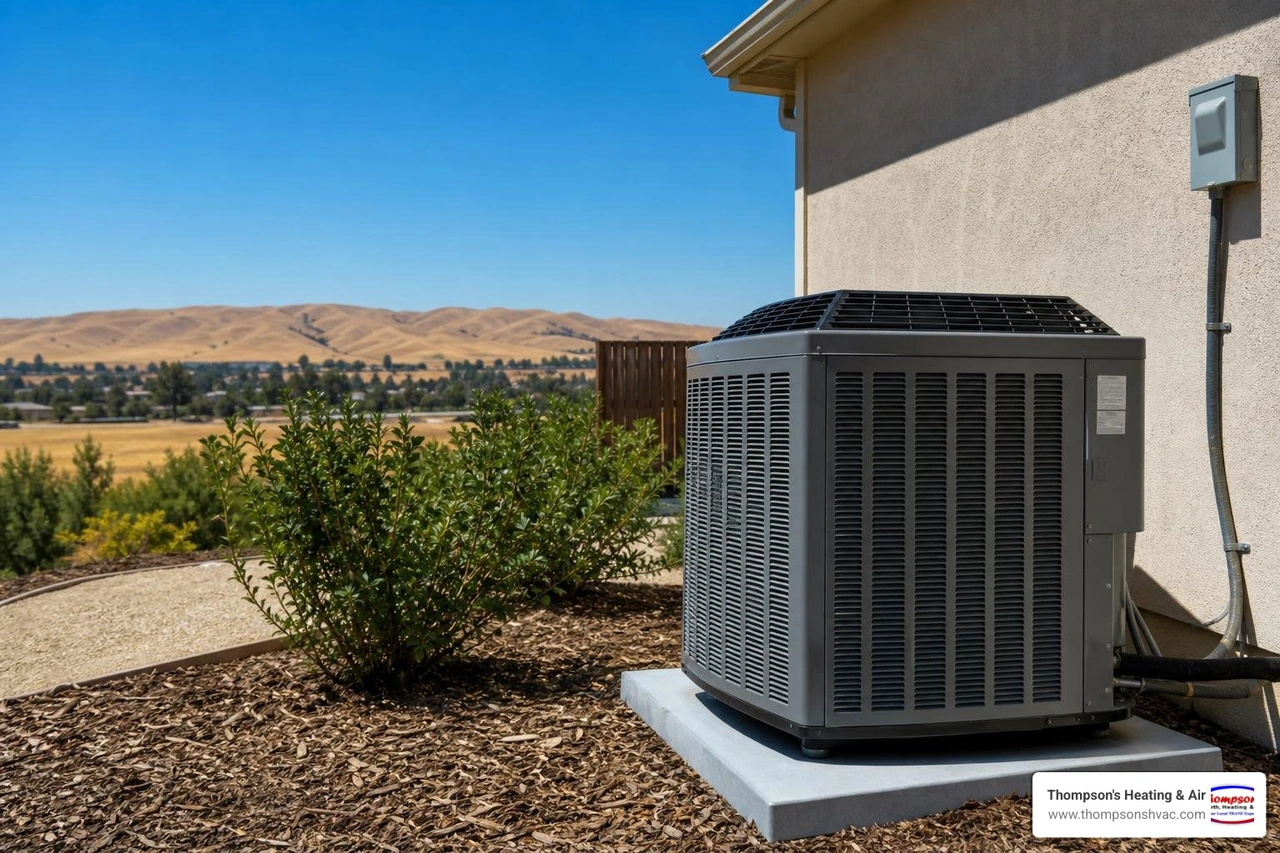
Why Every Woodland Homeowner Needs an HVAC Maintenance Checklist for Hot Dry Valley Conditions
Following an HVAC maintenance checklist for hot dry valley climates is one of the most important things you can do to protect your home comfort system — especially here in the Sacramento Valley.
Here's a quick overview of the core tasks:
1. Replace air filters monthly — valley dust clogs filters far faster than national averages suggest
2. Clear the outdoor condenser unit — maintain at least 2 feet of clearance and remove debris
3. Clean condenser and evaporator coils — dust buildup forces your system to work harder
4. Flush condensate drain lines — dust sludge and algae cause blockages and water damage
5. Calibrate your thermostat — inaccurate cycling wastes energy and stresses components
6. Schedule a spring cooling tune-up — refrigerant, capacitors, and electrical connections need checking before peak heat
7. Prepare for the fall heating transition — furnace and heat pump checks before temperatures drop
Woodland, CA summers are no joke. Temperatures routinely climb past 100°F, wildfire smoke rolls through the valley, and agricultural dust settles on everything — including the components inside and around your HVAC system. Systems here don't run for five or six months like they do in milder parts of the country. In the Sacramento Valley, your air conditioner can log 2,000 to 3,000 operating hours per year, putting real stress on every part of the system.
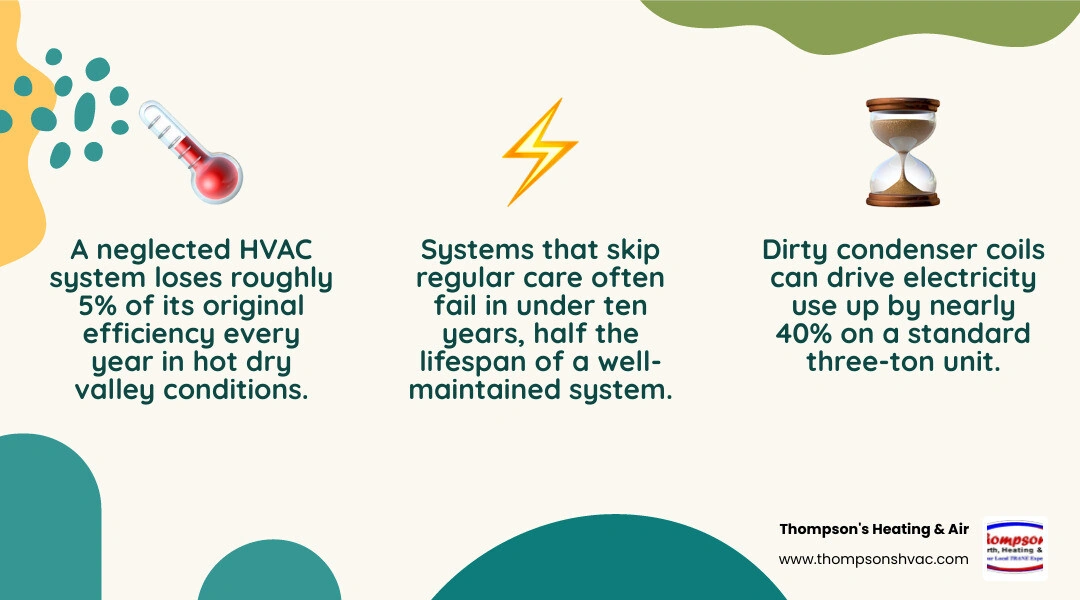
The numbers back this up. A neglected HVAC system loses roughly 5% of its original efficiency every year. Dirty condenser coils alone can drive electricity use up by nearly 40% on a standard three-ton unit. And systems that don't get regular care often fail in under ten years — half the 15–20 year lifespan a well-maintained system can reach.
At Thompson's Heating & Air, we see the results of skipped maintenance every summer when emergency calls spike and homeowners are left without cooling during the hottest weeks of the year. The good news: most of it is preventable.
Why Arid Climates Demand a Specialized HVAC Maintenance Checklist for Hot Dry Valley Homes
Our Mediterranean-style valley climate in Yolo County brings unique environmental factors that mild coastal regions never have to worry about. Standard, generic HVAC advice simply doesn't cut it when your system is battling Sacramento Valley summer conditions.
The Threat of Valley Dust and Particulates
Whether you live in Woodland, Winters, or Davis, you are surrounded by active agricultural fields. Harvesting seasons release massive clouds of fine soil, pollen, and organic dust into the air. When you combine this agricultural debris with summer wildfire smoke, your heating and cooling system acts like a giant vacuum cleaner, pulling these abrasive particulates directly into its delicate internal components. This dust acts like sandpaper on moving parts, wears down bearings, and coats heat exchangers in an insulating blanket of grime.
Low Humidity and Thermal Cycling
While low humidity is great for keeping summer sweat at bay, it creates a unique challenge for your HVAC system. Extremely dry air causes rubber seals and gaskets to dry out, crack, and shrink over time, which can lead to refrigerant leaks.
Furthermore, our valley climate is famous for intense "thermal cycling." A typical summer day in Dixon or Esparto might start in the cool 50s at dawn and skyrocket to 105°F by late afternoon. This rapid 50-degree temperature swing causes the metal components in your outdoor condenser to aggressively expand and contract every single day. This constant movement can loosen electrical connections and stress copper refrigerant lines, making regular inspections vital.
By understanding the Benefits of Regular HVAC Maintenance in Hot Dry Valley homes, you can proactively prevent these environmental stresses from cutting your system's life short.
• Annual Run Hours — Standard Climate Impact: 800 to 1,500 hours — Hot Dry Valley Climate Impact: 2,000 to 3,000+ hours
• Dust Accumulation — Standard Climate Impact: Light indoor dust — Hot Dry Valley Climate Impact: Heavy agricultural soil, pollen, and wildfire ash
• System Lifespan — Standard Climate Impact: 15 to 20 years — Hot Dry Valley Climate Impact: 8 to 12 years (if neglected); 15 to 20 years (with care)
• Thermal Cycling — Standard Climate Impact: Moderate expansion/contraction — Hot Dry Valley Climate Impact: Extreme daily metal expansion (50°F+ diurnal swings)
• Efficiency Loss — Standard Climate Impact: ~5% per year — Hot Dry Valley Climate Impact: Up to 20% to 30% drop in a single dusty season
The 7-Step HVAC Maintenance Checklist for Hot Dry Valley Climates
To keep your system running reliably year-round, you need a structured, proactive plan. Taking care of your heating and cooling system is very similar to maintaining a vehicle; skipping oil changes eventually destroys the engine, and skipping AC tune-ups does the same to your compressor.
By implementing these seven practical steps, you can ensure your system operates at peak efficiency, preserves its warranty, and remains ready for whatever the valley weather throws our way. For a deeper dive into general system care, you can also explore our guide on How to Maintain Your Heating and Cooling System.
Step 1: Replace Air Filters Monthly to Combat Valley Dust
In a hot, dry valley, the standard industry advice of "change your filter every 90 days" is a recipe for system strain. During peak farming and harvest months in Yolo County, air filters can become completely choked with fine dust in as little as three to four weeks.
When a filter is clogged, it restricts the airflow your system needs to breathe. This forces the blower motor to work twice as hard, which spikes your energy bills and can cause the indoor evaporator coil to freeze over.
• MERV Ratings: For valley homes, we generally recommend using filters rated between MERV 8 and MERV 11. These provide an excellent balance, capturing fine agricultural dust and pollen without restricting airflow. Avoid MERV 13 or higher filters unless your system's ductwork was specifically designed for them, as they can restrict airflow too much and strain your blower.
• The 30-Day Rule: Make it a habit to inspect your filter on the first day of every month. If it looks grey or dusty, swap it out immediately. For more details on filter selection, read our article on How Often Should You Change Your HVAC Air Filter.
Step 2: Clear and Protect the Outdoor Condenser Unit
Your outdoor condenser unit is responsible for releasing the heat extracted from your home. If the airflow around this unit is blocked, the heat has nowhere to go, forcing the compressor to run hotter and consume significantly more electricity.
• Maintain Clearance: Ensure there is at least two feet of clear space around the entire perimeter of your outdoor unit. Trim back any shrubs, weeds, or vines that have crept close to the cabinet.
• Shade Structures: Providing strategic shade for a west-facing outdoor unit can lower the surrounding thermal load by 10°F to 20°F, improving efficiency. However, make sure any shade structure or awning is high enough to avoid trapping the hot exhaust air blowing out of the top of the unit.
• Debris Removal: High valley winds and summer storms can blow dry leaves, agricultural chaff, and twigs into the condenser fins. Check the base of the unit regularly and clear away any accumulated debris. Learn more about protecting your outdoor unit through proper Air Conditioning AC Maintenance.
Step 3: Clean Coils to Prevent Heat Insulation
Your HVAC system relies on two copper coil networks: the indoor evaporator coil (which absorbs heat) and the outdoor condenser coil (which releases it). In our dry valley, these coils quickly become coated in a fine layer of silica-rich dust. This dust acts as an insulating blanket.
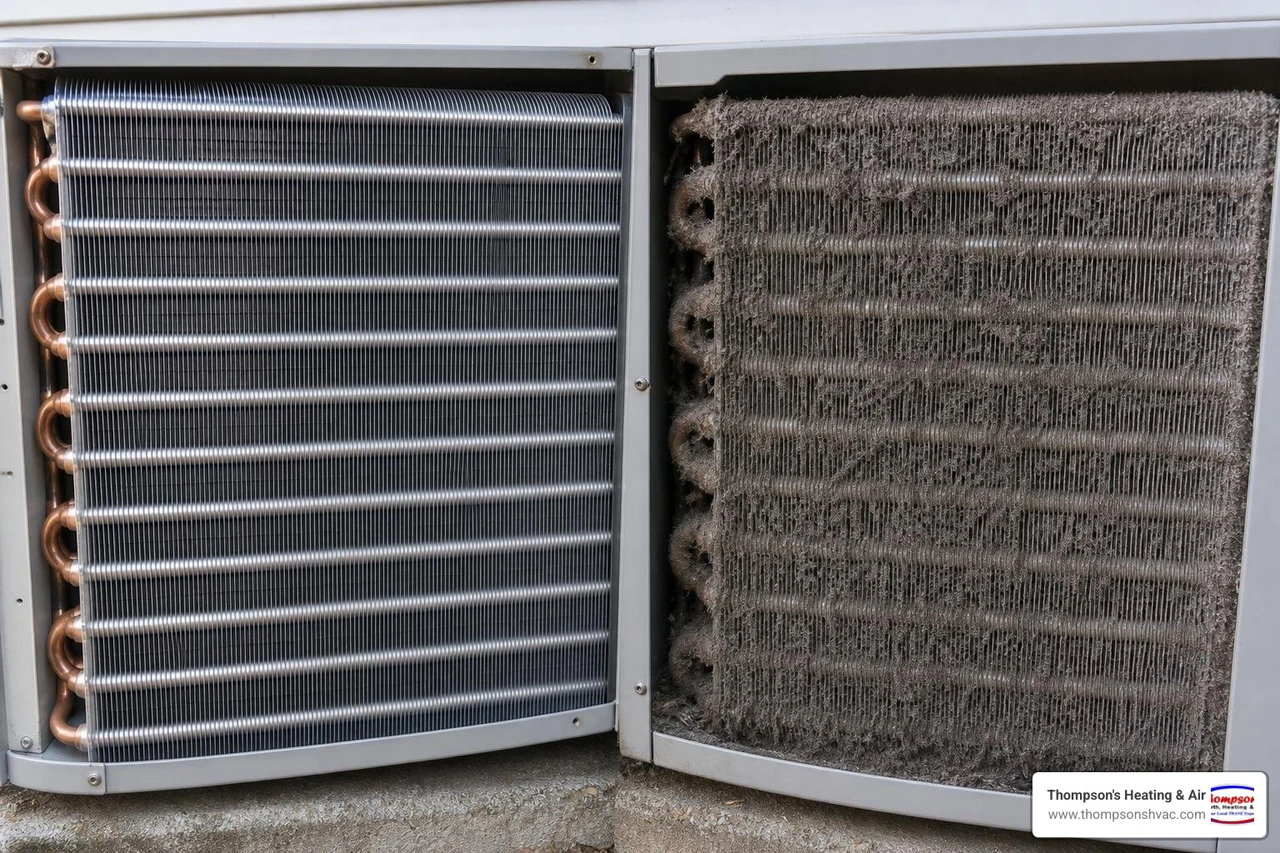
When coils are insulated by dirt, heat transfer is severely compromised. A dirty condenser coil can increase electricity consumption by 39% for a standard 3-ton unit and up to 47% for a larger 5-ton system.
Regularly rinsing the outdoor coil with a gentle spray from a garden hose (never use a pressure washer, as it will bend the delicate aluminum fins) helps wash away this insulating crust. For heavy, baked-on agricultural grime, a professional chemical coil cleaning is required to safely restore optimal heat transfer.
Step 4: Flush Condensate Drain Lines
Your air conditioner doesn't just cool your home; it also removes moisture from the indoor air. This moisture condenses on the indoor coil and drips into a drain pan, exiting your home through a condensate drain line.
In dry, dusty valleys, a unique problem occurs: fine dust bypasses the air filter, mixes with the condensed water on the coil, and flows into the drain line. This mixture forms a thick, muddy sludge. Combined with dark, warm conditions, it can trigger rapid algae growth, leading to complete drain blockages.
When a drain line clogs, water backs up and overflows the drain pan, which can cause thousands of dollars in water damage to your ceilings, walls, and flooring. Flushing your drain lines quarterly with warm water or a cup of white vinegar can prevent this sludge from forming. If you're inspecting your system after the cold season, check out our guide on Post-Winter HVAC Inspection What to Check to ensure your drains are clear before summer starts.
Step 5: Inspect and Calibrate the Thermostat
Your thermostat is the brain of your home comfort system. If it is miscalibrated or poorly positioned, it can cause your system to "short-cycle" (turning on and off rapidly) or run continuously, wasting energy and wearing out components.
• Location Matters: Ensure your thermostat is mounted away from direct sunlight, drafty windows, or heat-producing appliances, which can cause false temperature readings.
• Upgrade to Smart Thermostats: Installing a smart or programmable thermostat can save you up to 10% annually on cooling costs by automatically adjusting temperatures when you are away.
• Battery Maintenance: Replace the batteries in your thermostat annually to prevent unexpected system shutdowns.
Step 6: Schedule a Spring Cooling Tune-Up
Before our triple-digit summer heat waves arrive in Yolo County, your air conditioner needs a thorough professional checkup. Scheduling this tune-up in March or April is the single best way to prevent emergency breakdowns in July.
During a professional spring visit, a technician will test the electrical capacitors (the #1 failure point in desert-like heat), tighten loose electrical connections caused by thermal cycling, and verify that your refrigerant level is precise. A system that is just 10% low on refrigerant can lose up to 20% of its cooling capacity and consume far more energy. Prepare your system early by reading Getting Your Cooling System Ready for Warm Weather.
Step 7: Prepare for the Fall Heating Transition
While we are famous for our hot summers, winter nights in the Sacramento Valley can drop into the 30s. Transitioning your system from cooling to heating requires its own set of checks.
• Furnace Safety: If you have a gas furnace, a professional must inspect the heat exchanger for cracks to prevent dangerous carbon monoxide leaks.
• Heat Pump Reversing Valve: For homes utilizing heat pumps, verifying that the reversing valve operates smoothly is critical for switching from cooling to heating mode.
• Ignition and Burner Cleaning: Dust that settled inside your furnace during the dusty summer can create a brief burning smell when first turned on. Cleaning the burners ensures safe, efficient ignition. For a complete seasonal overview, consult our Annual HVAC Maintenance Complete Guide.
DIY vs. Professional Tasks: Knowing Your Limits
Many homeowners enjoy taking a hands-on approach to home maintenance. However, when it comes to complex heating and cooling systems, it is important to know which tasks are safe to perform yourself and which require the specialized tools and training of a licensed technician.
Taking on technical tasks without proper training can compromise your safety, void your manufacturer's warranty, and lead to expensive repairs. You can read more about balancing these tasks in our guide on How to Prevent HVAC Emergencies with Maintenance.
Safe DIY Tasks for Your HVAC Maintenance Checklist for Hot Dry Valley
As a homeowner, you can easily and safely perform several routine maintenance tasks to support your system between professional visits:
• Replacing Air Filters: This is the most important task you can perform. It requires no special tools and directly protects your system from valley dust.
• Clearing Condenser Clearance: Keeping a two-foot perimeter around your outdoor unit clear of weeds, leaves, and debris is safe and highly effective.
• Visual Inspections: Regularly inspect your outdoor unit for visible damage, check your indoor vents for dust buildup, and listen for unusual noises like squealing or grinding.
• Basic Vent Cleaning: Use a vacuum attachment to keep supply and return registers free of dust and pet hair.
Technical Tasks Requiring a Licensed Professional
To protect your safety and keep your system's warranty valid, always leave the following tasks to a licensed professional:
• Refrigerant Handling: Testing, charging, or repairing refrigerant lines requires specialized EPA certification and precision tools.
• Electrical Diagnostic Testing: Testing capacitors, relays, and contactors involves working with high-voltage electricity, which poses a severe safety risk.
• Deep Coil Cleaning: Cleaning delicate indoor evaporator coils often requires partial disassembly of the indoor unit and the use of specialized, non-corrosive chemical cleaners.
• Ductwork Inspection and Sealing: Finding and sealing leaks inside your home's ductwork requires diagnostic pressure testing and specialized sealing materials.
Selecting the Right Service Provider in the Sacramento Valley
When choosing an HVAC service provider in Yolo County, it helps to look for key credentials that guarantee high-quality service.
• NATE Certification: North American Technician Excellence (NATE) is the gold standard for technician certification in our industry. Choosing a provider with NATE-certified technicians ensures your system is serviced by an expert who has passed rigorous, specialized exams.
• Factory Training: Manufacturers design modern HVAC systems with highly sophisticated electronics. Technicians with factory-authorized training understand the precise specifications of your specific brand, ensuring repairs are completed correctly the first time.
• Local Climate Expertise: A technician who understands the specific challenges of the Sacramento Valley — from agricultural dust to extreme thermal expansion — will provide far more effective care than a technician using generic national guidelines.
Investing in a structured maintenance agreement can also provide peace of mind. To see if this option is right for your home, read our analysis: Is an HVAC Maintenance Plan Worth It.
Frequently Asked Questions about HVAC Maintenance in Arid Regions
How often should I run through my hvac maintenance checklist for hot dry valley?
For homes in the Sacramento Valley, we recommend a semi-annual professional maintenance schedule: once in the spring (March or April) to prepare your air conditioner for summer, and once in the fall (October or November) to prepare your heating system for winter. In addition to these professional visits, homeowners should check and replace their air filters monthly during high-use seasons.
What are the warning signs that my valley HVAC system is struggling?
Keep an eye out for these common warning signs:
• Weak Airflow: This often indicates a severely clogged air filter or a failing blower motor.
• Strange Noises: Squealing, grinding, or loud rattling sounds can point to worn-out bearings, loose electrical connections, or a failing compressor.
• Frequent Cycling: If your system turns on and off every few minutes, it may be overheating due to dirty coils or a miscalibrated thermostat.
• Sudden Utility Spikes: A sudden increase in your monthly energy bills without a change in usage is a clear indicator that your system has lost efficiency and is working too hard.
How does low humidity affect my heating system in the winter?
In the winter, low outdoor humidity can make the air inside your home feel cooler than it actually is because moisture evaporates from your skin more rapidly. This often prompts homeowners to turn up the thermostat, forcing the heating system to work harder and run longer cycles. Maintaining clean furnace burners and ensuring your ductwork is sealed helps keep your heating system running efficiently despite these dry winter conditions.
Conclusion
Living in the Sacramento Valley means enjoying beautiful orchards, rich agricultural heritage, and warm, sunny days. But it also means taking proactive steps to protect the home comfort system that keeps your family safe and cool through our intense summer heat.
Following a specialized HVAC maintenance checklist for hot dry valley climates is the single best investment you can make to lower your energy bills, avoid costly emergency repairs, and extend the life of your system by up to seven years.
At Thompson's Heating & Air, we've been helping families in Woodland, Davis, Winters, and surrounding Yolo County communities stay comfortable since 1992. As a family-owned business, we are committed to providing reliable service, experienced technicians, and honest solutions tailored to our local climate.
To make seasonal care simple and stress-free, consider signing up for our comprehensive Maintenance Plan.
Ready to get your heating and cooling system in peak shape before the next heat wave? Schedule professional service today with our friendly team of experts!



.avif)
.avif)
.png)
